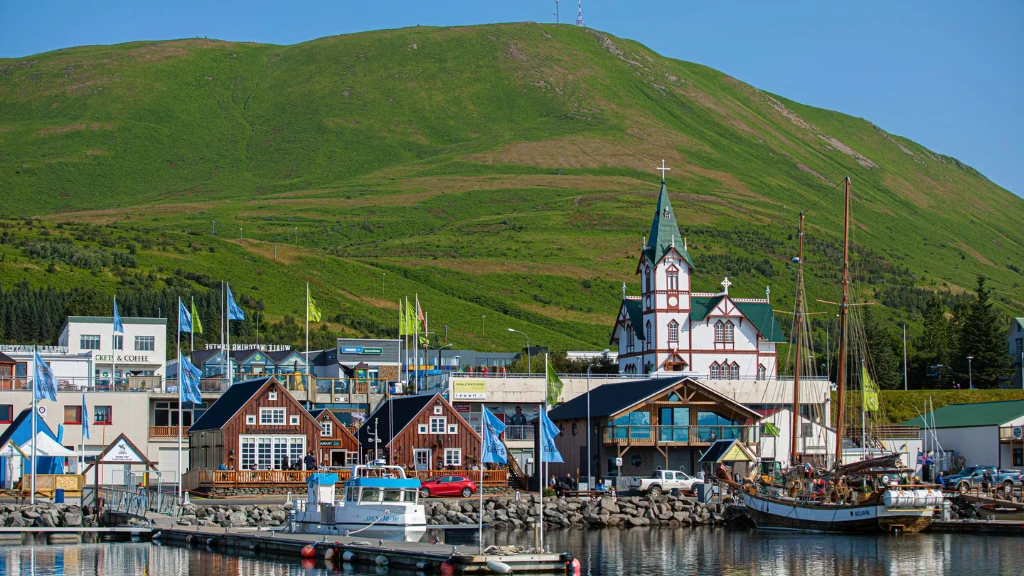
There’s a refreshing energy that takes over Iceland in spring. As snow melts, the landscape enjoys the last of the crisp winter air with the promise of a waking earth. You’ll feel the rhythm change with the steady return of sunlight, making every adventure feel possible again.
It’s a time of quiet transition, as the island shakes off the frost to uncover bright moss and rushing waterfalls. On lucky evenings, you might even catch the Northern Lights making a final curtain call in early spring. Ready to start planning your springtime escape to Iceland?
Why Spring Is an Ideal Time to Visit Iceland
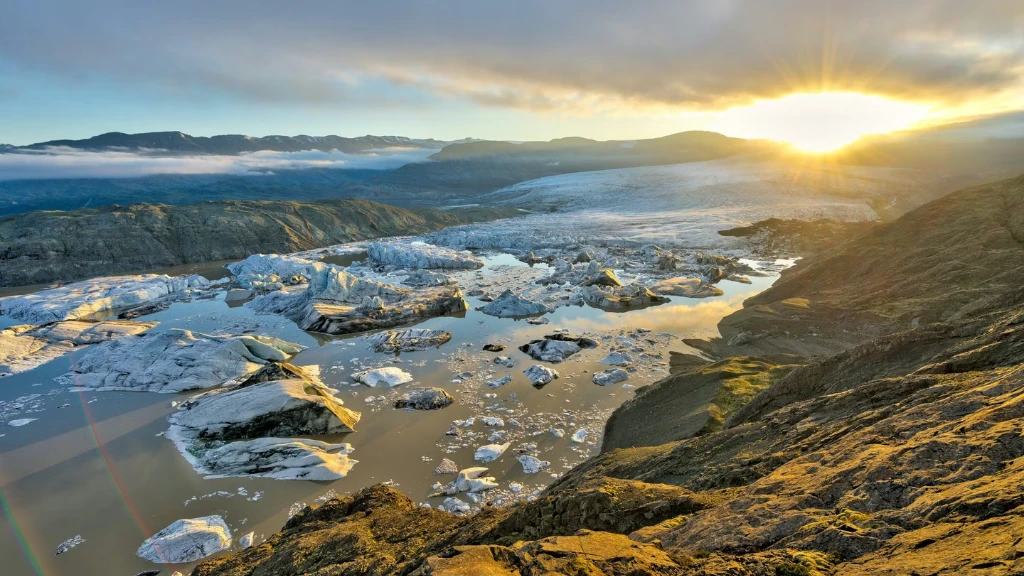
Often described as the island’s shoulder season, spring is a unique window. During this time of year, the heavy winter snows begin to retreat while the summer rush is still weeks away. It is the sweet spot for travellers: the snow-capped atmosphere of winter paired with the accessibility of longer days.
One of the biggest perks of Iceland in spring is the sense of space. During this lull between the winter and summer peaks, you’ll find peaceful moments at Iceland’s most popular attractions. Even iconic sites like the Golden Circle or Vatnajökull National Park feel noticeably quieter. Plus, this timing is kinder to your wallet, as many accommodations offer mid-season rates before the high season hits.
Travellers also benefit from a spectacular gain in daylight throughout the season, with nearly seven minutes of additional sun every day. Around the spring equinox in late March, Iceland has roughly 12 hours of daylight. You can explore all day, while still having the opportunity to see the Northern Lights before they fade for the summer.
Weather in Iceland: What to Expect in Spring
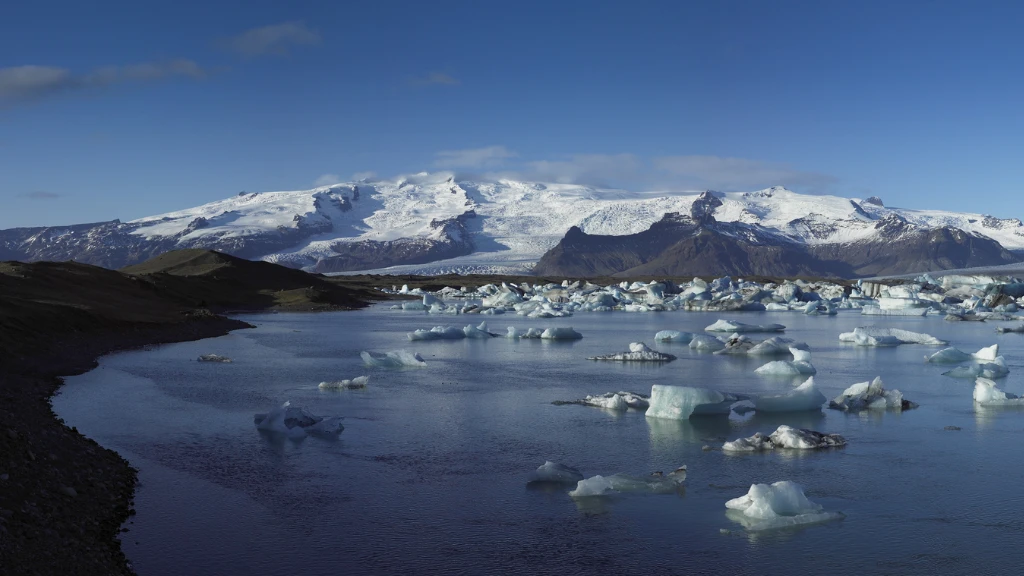
In Iceland, there’s a saying: “If you don’t like the weather, just wait five minutes.” This is never truer than in spring, when the island is caught in a tug-of-war between seasons. Expect changing weather; the sun can be shining one moment, then a light snow flurry hits the next.
- March: Despite the start of spring, it still feels quite wintry with average temperatures around 1–4°C (33–39°F). Snow is still common, but long days are rapidly returning. This is the ideal time for those who want snowy photos but with 11–13 hours of daylight for exploring.
- April: This is the true “bridge” month. The thaw begins in earnest, with the landscape mostly brown and gold as it wakes up. Temperatures rise to 2–6°C (35–43°F). You might start the morning with sunshine and end it in a surprise sleet shower. Flexibility is your best asset here.
- May: By now, the season is leaning toward summer. By the end of the month, days are incredibly long — up to 20 hours of daylight. Temperatures average 4–9°C (39–48°F). It is statistically one of the driest months, making it a great time for early hikers.
What to Pack for Iceland in Spring
The golden rule for Icelandic spring: layers. As the weather changes its mind constantly, you’re essentially packing for four seasons that might all happen on the same Tuesday.
- Waterproof and Windproof Outerwear: A high-quality shell jacket and rain trousers are non-negotiable. Icelandic rain often falls sideways, so a jacket is far more useful than an umbrella.
- Thermal Base Layers: Bring tops and leggings made of merino wool or synthetic moisture-wicking fabric, which trap heat without adding bulk.
- Cosy Mid-Layers: A fleece or a traditional Icelandic wool sweater (lopapeysa) is the perfect time-tested way to stay warm.
- Sturdy Waterproof Hiking Boots: As the snow starts to melt, trails can get slushy or muddy. Ensure your boots have deep treads and good ankle support.
- Hats, Gloves, and Scarves: Even on a sunny day, the wind off the glaciers can feel sub-zero. A light beanie and wind-resistant gloves are essential.
- Swimwear: No matter the season, most geothermal pools are around 38–40°C (100–104°F). Don’t forget your suit for a soak in the Blue Lagoon or a local secret spring.
- Sunglasses and Sunscreen: With nearly 20 hours of light by May and high reflectivity from snow and sea, protecting your eyes and skin is a must.
Try the Local Easter Tradition
If you visit Iceland in spring, you’re perfectly timed for a beloved national pastime: eating your weight in chocolate. Easter in Iceland is a five-day-long weekend where the pace of life slows down significantly. While some shops and museums take a break, it is the ideal time for travellers to relax like a local.
The undisputed star of the season is the páskaegg, or Icelandic Easter egg. These aren’t your average chocolates. These massive eggs are filled with local sweets and a hidden málsháttur — a tiny rolled-up proverb. Cracking an egg to find your fortune is a national ritual. If you’re curious about yours, grab a páskaegg at a local grocery store early in the week.
Traveller’s Tip: Stock up on essentials in the days leading up to the holiday. Opening hours vary significantly between Maundy Thursday and Easter Monday. Many businesses close entirely on Good Friday and Easter Sunday.
Top Things to Do in Iceland During Spring
As the island wakes up, the opportunities for adventure multiply. Iceland in spring is the perfect time to explore before the summer peak.
Witness the Northern Lights
Spring is the curtain call for the aurora borealis. While days are longer, the nights remain dark enough until mid-April to catch a glimpse of the dancing green lights. March is a particular favourite for locals, as auroras are often stronger around the equinox. You’ll need to wait for the sky to get truly dark, usually between 9 p.m. and 2 a.m. The milder temperatures make the wait much more comfortable than in the depths of winter.
Go Whale-Watching
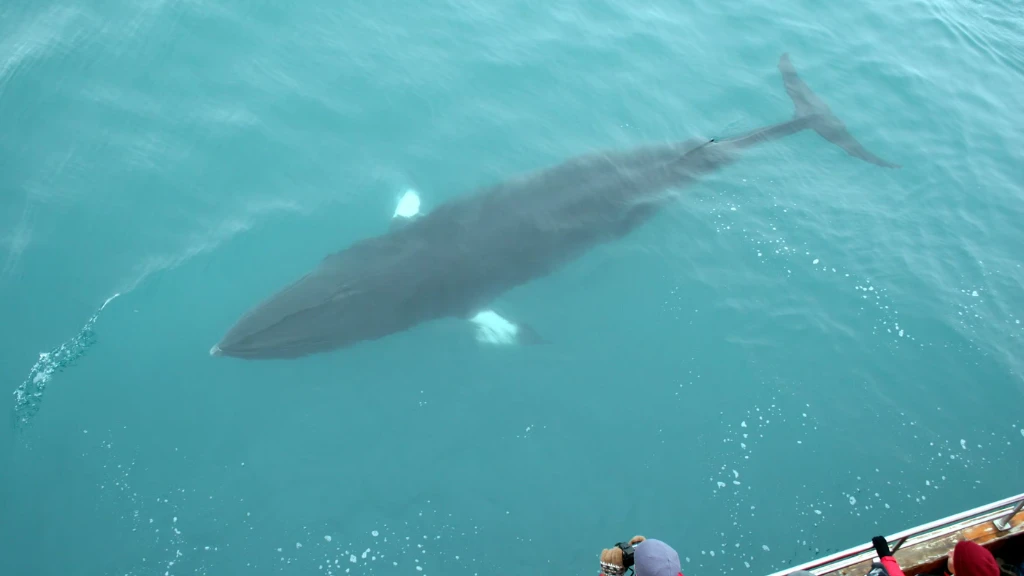
Spring marks the beginning of the whale-watching season. As the ocean warms, giants like humpbacks and minkes return to their Icelandic feeding grounds, especially around Húsavík and Reykjavík. If you’re lucky, you might even spot the elusive blue whale, which often migrates through North Iceland in late spring. In April and May, you can watch a massive fluke break the surface against a backdrop of snow-capped mountains — one of the most spectacular sights in the natural world.
Spot Puffins in the Wild
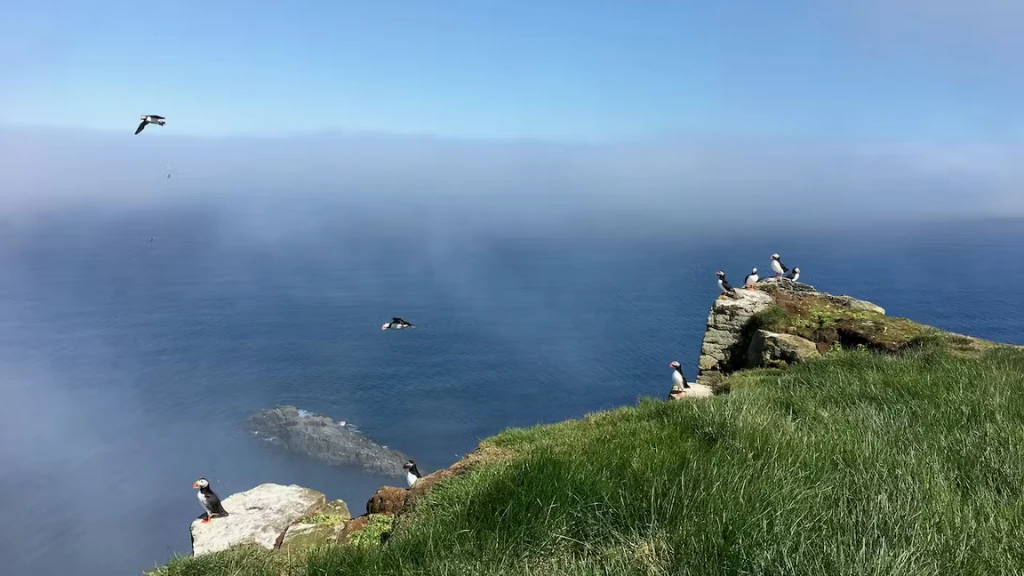
When you visit Iceland in spring, keep an eye on the coastal cliffs. Around mid-to-late April, the first Atlantic puffins of the year return from their winter at sea to nest. Seeing these quirky birds — with their tuxedo-like feathers and colourful beaks — signals that summer is just around the corner. They’re preceded by the golden plover, whose melodic call sounds across the Icelandic countryside in late March.
Driving in Iceland in Spring
Exploring the open road is one of the best ways to experience the island’s awakening. The Ring Road is generally clear and accessible, allowing you to witness a landscape in a beautiful state of flux. However, spring in Iceland has many faces. You might be cruising past sun-dappled lava fields one hour and navigating a sudden snow squall the next.
With conditions ever-changing, don’t leave your accommodation without checking road.is for road closures and safetravel.is for weather alerts.
When it comes to your vehicle, the right choice depends on your timing. In March and early April, a 4×4 is strongly recommended — the extra traction is a vital safety feature during this wintry phase. In the later stages of spring, a standard 2WD car is typically sufficient for the Ring Road and the Golden Circle.
Remember to Travel Responsibly
As the island wakes up, the landscape slips into its most delicate phase. Iceland in spring uncovers newly-thawed ground and ancient mosses that are especially sensitive to footsteps. To help keep the island pristine, stay on marked paths, even if they’re a bit muddy.
Respecting the locals is just as important, whether they walk on two legs or four. Spring is a critical time for wildlife. Arctic foxes rest in their dens with new kits, while birds like the golden plover nest directly on the ground. Give them a wide berth to let them raise their young undisturbed.
The “Leave No Trace” philosophy is a good approach: take only photos and leave only the lightest footprints on marked paths. By following this tradition, you help ensure that the beauty of the Icelandic spring endures for every traveler who comes after you.
Frequently Asked Questions
Is spring a good time to visit Iceland?
Absolutely. It is the perfect time for travelers who want to see Iceland’s winter beauty but with significantly more daylight for exploring. Fewer crowds and lower prices make it even more appealing.
Can you still see the Northern Lights in Iceland in April?
Yes, but timing is key. The nights remain dark enough until roughly mid-April to catch the aurora. The spring equinox often brings strong solar activity, making it an ideal time for sightings.
Is it too cold to go to Iceland in April?
While it’s crisper than summer, daytime temperatures usually hover between 2°C and 6°C (35°F–43°F). Occasional rain and wind can make it feel colder, but with quality layers it’s very comfortable for outdoor adventure.
Is Iceland expensive in April?
Visiting during the spring shoulder season is generally more budget-friendly. You will often find lower rates on accommodations and car rentals compared to the high summer season.
Are the roads open in spring in Iceland?
The Ring Road and main coastal routes are well-maintained and open. However, the Highland roads (F-roads) remain strictly closed, typically not opening until mid-June. Always check road.is before setting out.