
Iceland has 266 museums. For a small island nation, that obsession alone tells you something.
Why Does Iceland Have So Many Museums?
Icelanders have an almost institutional reverence for the local and the overlooked. Part of it comes from the nation’s lack of ancient monuments — no grand castles, no Roman ruins, no medieval cathedrals. So instead of preserving stone and mortar, Iceland preserves *stories*. From witchcraft to witchcraft, from textiles to penises (yes, really), the country has turned the everyday and the extraordinary into exhibitions worth travelling for.
At Ice Paradise Tours, we love pointing our guests toward experiences that go beyond the waterfalls and glaciers. These museums are weird, wonderful, and quietly essential to understanding what makes Iceland tick. Here are eleven of our favourites.
1 Ystafell Auto Museum — Near Húsavík
North Iceland
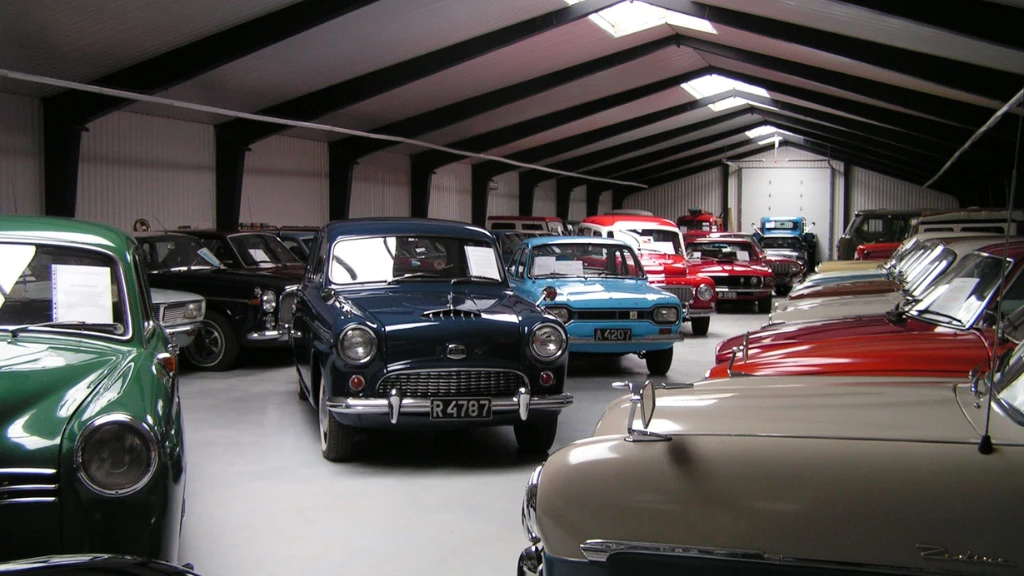
About thirty minutes from Húsavík, this is Iceland’s only automobile museum — and it is exactly as eccentric as you’d expect. More than fifty years of automotive curiosities are packed inside, including repurposed tanks, snowmobile buses, remote car parts, and mechanical treasures that defy easy categorisation. The collection belongs to a local mechanic, which makes perfect sense. In a country with terrain this brutal and weather this unpredictable, a deep reverence for vehicles is practically a survival instinct.
2 The Icelandic Phallological Museum — Reykjavík
Capital Region
Yes, it’s exactly what it sounds like. The world’s only museum devoted entirely to penises, the Phallological Museum is the life’s work of self-described phallology pioneer Sigurdur Hjartason and his son Hjortur. Their collection spans 215 specimens from 93 species of mammals, displayed in formalin tubes with the seriousness of a natural history institution. Whale anatomy features prominently — the animal kingdom’s most impressive contributor — alongside polar bear, walrus, and, notably, one Homo Sapiens specimen of Icelandic origin. Since 2021, the museum has occupied a new home near Hafnartorg Square. Strange? Absolutely. Unforgettable? Without question.
3 The Bobby Fischer Center — Selfoss
South Iceland
The American chess grandmaster Bobby Fischer spent the final years of his life in Iceland, arriving in 2004 and dying here in 2008. This center in Selfoss keeps his memory alive through memorabilia from the legendary 1972 ‘Match of the Century’ — the Cold War chess showdown between Fischer and Soviet champion Boris Spassky, held in Reykjavík. The center also serves as home to the Selfoss Chess Club, where tournaments and lessons continue today. Fischer himself is buried in a quiet cemetery beside the small Laugardælakirkja church, a few kilometres from town. Worth a reflective stop.
4 Petra’s Stone Collection — Stöðvarfjörður
East Iceland
In the small East Iceland village of Stöðvarfjörður, a local woman named Petra Sveinsdóttir began collecting rocks from the surrounding mountains in 1946. Stone by stone, decade by decade, her garden grew into one of the most remarkable private mineral collections in the world. After her husband passed away in 1975, she opened her home to visitors. Petra died in 2012 at the age of 89, and today her four children maintain the collection with the same quiet pride she brought to it. It is, improbably, the number one attraction in Stöðvarfjörður — and rightfully so.
5 The Library of Water — Stykkishólmur
Snæfellsnes Peninsula
American artist Roni Horn transformed a former library on a hilltop in the small town of Stykkishólmur into something genuinely unlike anything else in the world. Twenty-four glass pillars, each filled with melted glacial water drawn from Iceland’s major ice caps, fill the space. As light streams through the windows, it refracts through the pillars and scatters across the floor and walls in constantly shifting patterns of water and light. Etched into the rubber floor beneath your feet are weather-related words in both English and Icelandic. Established in 2007 as a permanent installation, it is one of the most quietly moving spaces in Iceland.
6 The Museum of Icelandic Sorcery and Witchcraft — Hólmavík
The Westfjords
Deep in the Westfjords, the Museum of Icelandic Sorcery and Witchcraft has been exploring Iceland’s supernatural folklore since 2000. The exhibits bring to life the beliefs woven through the Sagas and Icelandic folktales for centuries — including replicas of objects so strange they lodge in your memory long after you leave. Chief among them: the necropants, magical trousers made by skinning a dead man from the waist down, rooted in a 17th-century folktale. Iceland’s relationship with the otherworldly has always been intimate. This museum explains exactly why.
7 The Sundry Museum — Near Akureyri
North Iceland
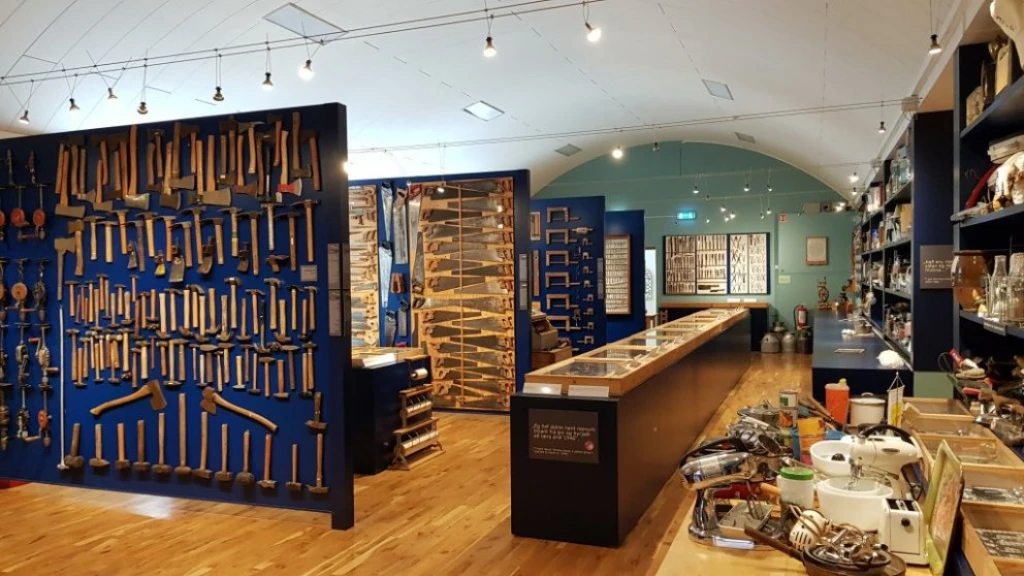
Smámunasafnið — the Sundry Museum — may be the purest expression of the Icelandic collecting impulse. Located just south of Akureyri, it contains no single theme, no guiding obsession beyond the objects themselves: antique nails, doorways, windows, pencils, keys, tools, hammers, matchboxes. The collection was assembled by carpenter Sverrir Hermannsson over a lifetime of rebuilding old homes in Akureyri. What he found, he kept. What he kept, he displayed. The result is a shrine to the beauty of the overlooked — and strangely, one of the most human places in North Iceland.
8 · The Icelandic Punk Museum — Reykjavík
Capital Region
Housed in a renovated public bathroom beneath Laugavegur, Reykjavík’s famous downtown shopping street, the Punk Museum occupies perhaps the most perfectly chosen venue in Iceland. In the early 1980s, a wave of Icelandic punk music produced some of the country’s most significant cultural exports — including a young Björk, who played in the bands Tappi Tíkarass and KUKL. In this tiny underground space, gig posters cover the walls and the music of the era fills the air. It is loud, cramped, and completely essential.
9 · The Elves and Ghost Museum — Stokkseyri
South Iceland
In a former fish factory in Stokkseyri — reportedly haunted — this museum explores Iceland’s centuries-old fascination with elves and ghosts with genuine warmth and playfulness. Where does Iceland’s most notorious ghost reside? How exactly do elves differ from humans? (They lack a nasal septum, apparently.) An audio guide walks visitors through ghost stories familiar across the country, accompanied by exhibits that manage to be genuinely spooky without being frightening. Suitable for children, which in Iceland perhaps says something about how naturally this folklore is woven into daily life.
10 The Þórbergur Centre — Suðursveit
South-East Iceland
In the remote and spectacular region of Suðursveit in South-East Iceland, this culture centre and heritage museum honours both the landscape and the writer who made it famous. Þórbergur Þórðarson is one of Iceland’s most significant prose writers, and his work drew heavily from this corner of the country. The permanent exhibitions include striking photographs documenting the lives of farmers and fishers in the region between 1930 and 1960 — a way of life almost entirely vanished now. It sits alongside the Ring Road, making it one of the more accessible cultural stops in the south-east.
11 The Textile Museum — Blönduós
North Iceland
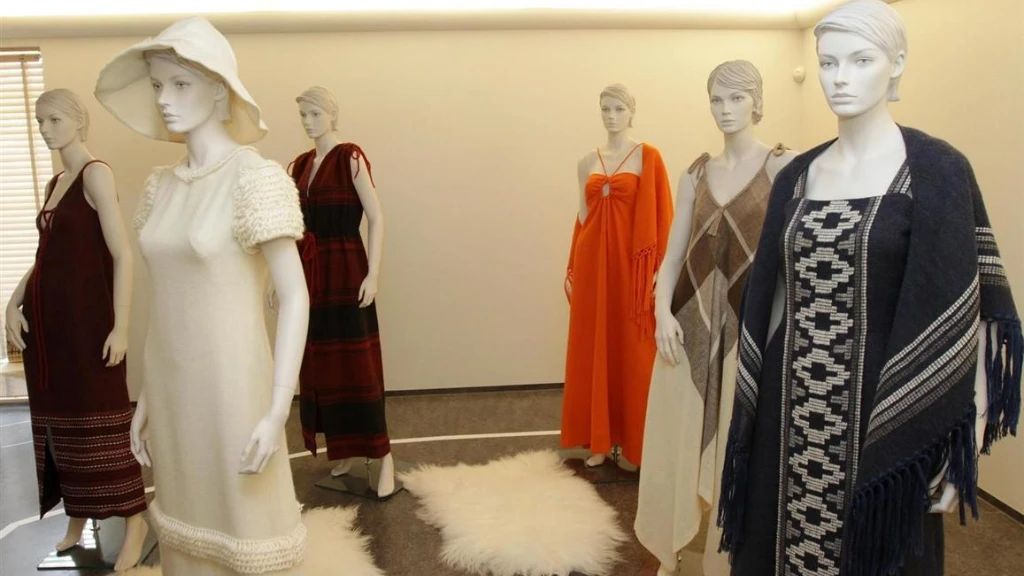
Founded by the Women’s Union of the municipality of East Húnavatnssýsla and officially opened in 1976 at the centennial of Blönduós, the Textile Museum is a quiet celebration of Icelandic craft and women’s history. The collection spans homemade wool items, national costumes, artistic embroideries, and the tools used to create them. Part of the museum is named after Halldóra Bjarnadóttir (1873–1981), founder of the Wool and Textile College at Svalbarði, who devoted her life to the education and social advancement of women in rural Iceland. The famous Icelandic lopapeysa sweater features prominently. Knitters will be in their element.
Iceland Is Stranger Than You Think — And That’s the Point
The waterfalls are real. The glaciers are real. The volcanoes are spectacularly, dangerously real. But Iceland’s strangeness runs deeper than its geology — it lives in its people, their collections, their folklore, and their almost stubborn insistence on preserving the things everyone else would quietly throw away.
These museums won’t appear on every itinerary. But if you give them a chance, they’ll give you something the famous sights sometimes can’t: a genuine understanding of what Iceland actually is.