
As winter slowly loosens its grip on Iceland, the first true signs of spring begin to appear in the most charming way — delicate purple, white, and yellow crocuses blooming across the city center of Reykjavík. These tiny flowers pushing through the cold soil symbolize the arrival of a new season and perfectly coincide with one of the most enjoyable times to visit Iceland: Easter.
While snow still dusts the mountains and winter adventures remain in full swing, spring quietly arrives in the capital with longer days, migrating wildlife, festive traditions, and colorful holiday treats. If you’re considering visiting Iceland in spring, Easter in Reykjavík offers a unique blend of winter magic and early spring beauty.
This guide explores everything you need to know about Easter in Iceland, from blooming crocuses and seasonal wildlife to traditional food, chocolate eggs, and travel tips.
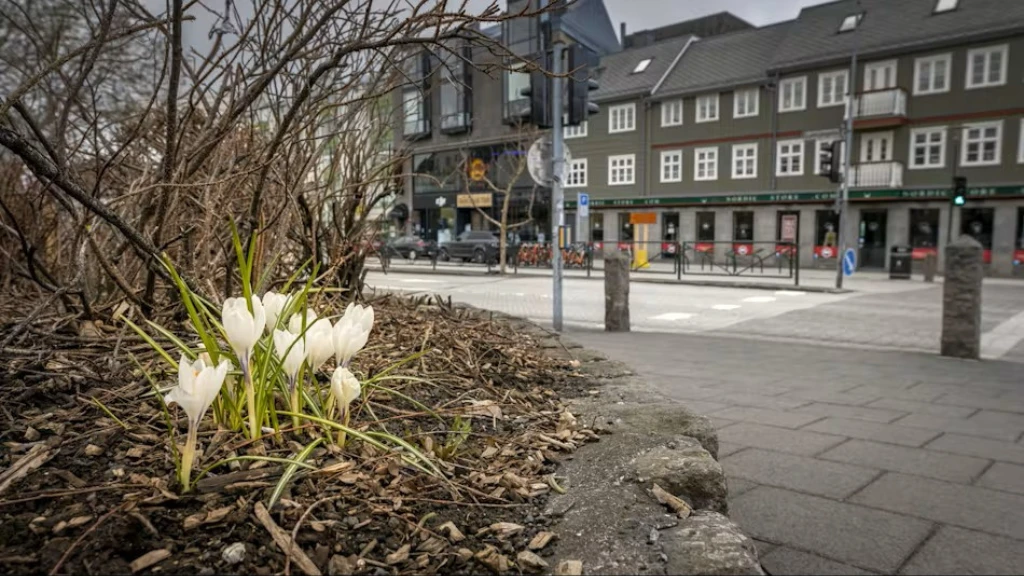
Crocuses in Bloom: The First Signs of Spring in Reykjavík
By late March or early April, depending on the year, crocuses begin appearing across Reykjavík’s parks, gardens, and public squares. These resilient flowers are among the first plants to bloom after Iceland’s long winter, often emerging even while patches of snow still linger nearby.
You’ll often spot crocuses in:
- City parks and green spaces
- Residential gardens
- Churchyards
- Flower beds around the downtown area
Their bright colors — especially purple and yellow — add a welcome splash of life to the city after months of snow and darkness.
For locals, the blooming crocuses signal that spring is finally arriving, even if winter activities like skiing and Northern Lights hunting are still possible.

Why Easter Is a Wonderful Time to Visit Iceland
Easter usually falls in late March or April, making it one of the most interesting transitional seasons in Iceland.
During this time, you can experience both winter and spring in the same trip.
What makes Easter special in Iceland?
- Spring flowers begin to bloom
- Wildlife starts returning to Iceland
- Northern Lights may still be visible
- Ski resorts remain open
- Daylight hours increase rapidly
It’s a season of contrasts — snow-covered landscapes paired with bright spring colors and festive celebrations.
Wildlife Returns to Iceland for Spring
Spring also marks the return of migratory wildlife to Iceland’s shores and skies.
Thousands of birds begin arriving to nest along the coasts and cliffs. Puffins, Arctic terns, and other seabirds gradually return after spending winter months at sea.
At the same time, Iceland’s surrounding waters become active again with migrating whales. Large species such as:
- Blue whales
- Sperm whales
- Humpback whales
travel north toward Icelandic waters to feed during the summer months.
Whale watching tours start increasing their schedules around Easter, especially from towns like Húsavík, widely considered the whale watching capital of the country.
Northern Lights Are Still Visible Around Easter
Many travelers assume that Northern Lights season ends before spring, but this is not entirely true.
Because nights are still dark enough in early spring, visitors may still have a chance to see the aurora borealis dancing across the sky. Clear nights away from city lights offer the best opportunities.
Some popular viewing locations near Reykjavík include:
- Grótta Lighthouse
- The surrounding coastline
- Nearby countryside outside the capital
As daylight hours grow longer each day, Easter represents one of the last windows of opportunity to see the Northern Lights before summer arrives.
Icelandic Easter Traditions: Chocolate Eggs & Family Celebrations
Easter in Iceland blends religious traditions with family gatherings and delicious seasonal treats.
For most Icelanders, one of the first things that comes to mind when thinking about Easter is the famous páskaegg, or Icelandic Easter eggs.
Icelandic Chocolate Easter Eggs (Páskaegg)
These hollow chocolate eggs are a beloved tradition for people of all ages.
Inside each egg you’ll find:
- Candy and sweets
- Small surprises
- A traditional Icelandic proverb or saying (known as a málsháttur)
Children usually receive their chocolate eggs on Easter Sunday morning, often after participating in a fun Easter egg hunt organized by parents.
Shops across Reykjavík fill with colorful displays of these eggs in the weeks leading up to the holiday, creating a festive atmosphere throughout the city.

Traditional Easter Food in Iceland
Food plays a central role in Icelandic Easter celebrations, particularly the Easter Sunday family dinner.
The most traditional meal features roasted leg of lamb, a dish deeply connected to Iceland’s farming culture.
Typical Easter dinner in Iceland includes:
- Roasted leg of lamb
- Glazed potatoes
- Red cabbage
- Green beans
- Rhubarb jam
Families gather together to share this hearty meal after the long winter, celebrating both the holiday and the arrival of spring.

Skiing During the Easter Holidays
Despite signs of spring appearing in Reykjavík, many Icelanders head to the mountains during the Easter break to enjoy late-season skiing.
Popular ski resorts across Iceland remain open during this period, offering excellent snow conditions.
Some well-known ski areas include:
- Hlíðarfjall in North Iceland
- Bláfjöll Ski Resort just outside Reykjavík
For locals, Easter often means combining family time with outdoor winter adventures.
A Five-Day National Holiday
Easter in Iceland is also one of the longest public holiday periods of the year.
The official holiday stretches from:
- Maundy Thursday
- Good Friday
- Easter Sunday
- Easter Monday
This creates a five-day long weekend for many Icelanders.
Because of this extended holiday, visitors should be aware that some businesses may operate on reduced hours, particularly smaller shops or offices.
However, restaurants, tourist attractions, and larger stores in Reykjavík typically remain open, ensuring travelers still have plenty to see and do.
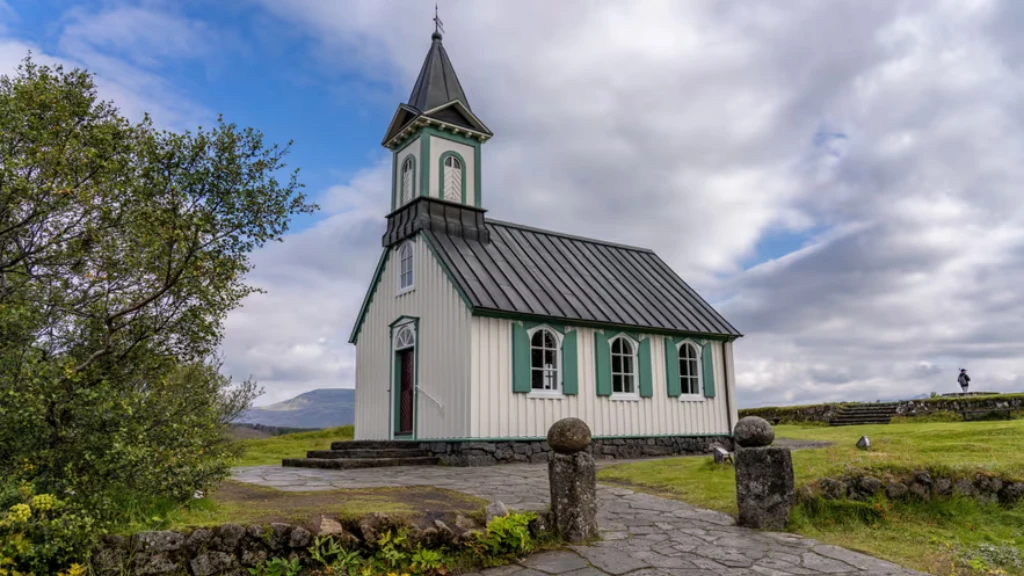
What to Expect Visiting Reykjavík During Easter
If you visit Reykjavík during Easter, you can expect a unique mix of seasonal experiences:
- Early spring flowers like crocuses blooming in city gardens
- A festive atmosphere with chocolate displays in shops
- Increasing daylight hours perfect for sightseeing
- Opportunities to see Northern Lights
- Whale watching season beginning
The city feels lively but not overcrowded, making it a pleasant time to explore.
Travel Tips for Visiting Iceland at Easter
1. Book accommodation early
Easter is a popular travel period for both locals and international visitors.
2. Check opening hours
Some businesses may close on certain holidays.
3. Pack for mixed weather
Spring in Iceland can include sunshine, snow, wind, and rain — sometimes all in the same day.
4. Plan outdoor activities
Longer daylight hours make it easier to explore waterfalls, glaciers, and nearby attractions like the Golden Circle.
Final Thoughts
Easter in Reykjavík is a magical time when winter adventures and the first signs of spring exist side by side. Crocuses blooming across the city, chocolate eggs filling shop windows, and longer days hinting at summer all create a special seasonal atmosphere.
Whether you’re exploring the city, hunting for Northern Lights, or enjoying traditional Icelandic food with locals, Easter offers a wonderful glimpse into Icelandic culture and nature.
For travelers seeking a quieter yet vibrant time to visit Iceland, spring around Easter may be one of the country’s most charming hidden seasons.