
Iceland is more than dramatic landscapes, waterfalls, and volcanic adventures — it is also a country rich in creativity, craftsmanship, and deeply rooted traditions. When travelers explore Icelandic souvenir shops, they quickly discover that the most meaningful items are not mass-produced trinkets but handmade pieces shaped by local culture, nature, and sustainable practices.
Choosing authentic souvenirs made in Iceland means taking home something genuine. These items reflect the island’s natural environment, creative spirit, and centuries-old traditions passed down through generations. From iconic wool sweaters to geothermal skincare and lava-inspired ceramics, Iceland offers a unique collection of handcrafted treasures that tell a story.
In this guide, we explore the most authentic souvenirs crafted by local artisans and how to find meaningful keepsakes that truly represent Iceland.
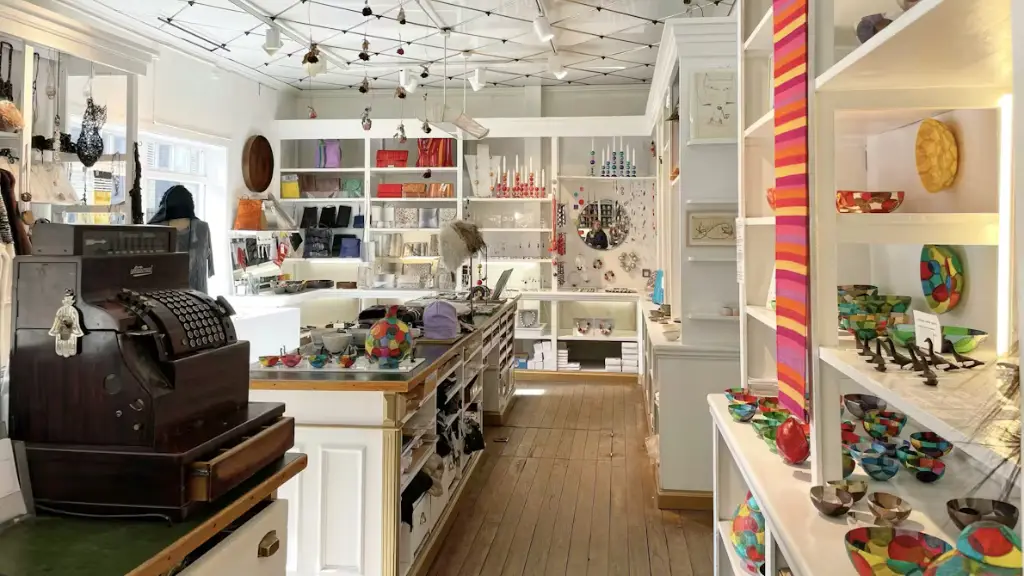
Why Choosing “Made in Iceland” Matters
Not every souvenir sold in Iceland is actually made there. Many tourist shops carry imported items designed to look Icelandic but produced elsewhere. While these may be cheaper, they lack the authenticity and craftsmanship of locally made products.
When you choose something genuinely made in Iceland, you:
- Support local artists, farmers, and small businesses
- Preserve traditional skills such as knitting, pottery, and natural skincare production
- Reduce environmental impact through locally sourced materials and renewable energy
- Bring home a unique item connected to Iceland’s culture and landscape
Iceland’s strong commitment to sustainability also plays a major role. Many artisans use renewable geothermal energy, natural materials, and small-batch production methods that prioritize quality over mass manufacturing.
Icelandic Wool and the Iconic Lopapeysa Sweater
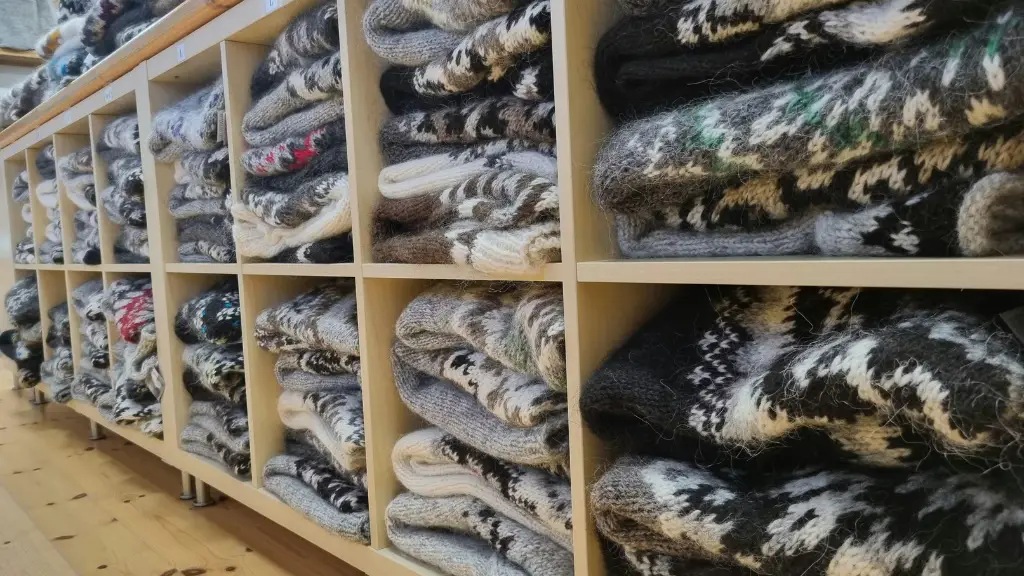
Few souvenirs represent Iceland better than the traditional lopapeysa, a handcrafted wool sweater recognized worldwide for its warmth and distinctive circular pattern.
Icelandic wool comes from a unique breed of sheep that has adapted to harsh Nordic weather. The wool combines two types of fibers:
- A soft inner layer for insulation
- A longer outer layer that repels water and wind
This natural combination makes lopapeysa sweaters incredibly practical for outdoor adventures while remaining lightweight and breathable.
The recognizable circular yoke design became popular in the 20th century, inspired by Nordic knitting traditions but uniquely adapted by Icelandic knitters.
Where to find authentic knitwear:
- Þingborg Wool Shop
- Handknitting Association of Iceland (Handprjónasambandið)
- Ullarselið Wool Center
- Local craft markets and small galleries
Tip: Buy early during your trip — you’ll likely want to wear it immediately.
Icelandic Eiderdown: Rare Luxury from Nature
For those interested in rare and sustainable luxury, Icelandic eiderdown is one of the world’s most unique natural products.
Eiderdown comes from wild eider ducks that line their nests with ultra-soft feathers. Local farmers carefully collect the down after nesting season without disturbing the birds, making the process ethical and environmentally respectful.
The result is incredibly lightweight yet exceptionally warm bedding, often crafted into premium duvets and pillows.
Although expensive, eiderdown represents a centuries-old tradition tied closely to Iceland’s coastal communities and conservation efforts.
Authentic Icelandic Fashion and Local Design
Iceland’s fashion scene is defined by simplicity, durability, and sustainability. Many designers focus on slow fashion, creating small collections using natural fibers, recycled materials, and locally inspired designs.
Instead of fast trends, Icelandic fashion emphasizes timeless pieces designed to last for years.
Key places to explore:
- Aftur — circular fashion using recycled textiles
- Volcano Design — small-batch clothing production
- Kiosk Reykjavík — curated boutique of Icelandic designers
- Icelandic Handicraft Association
When shopping, check labels carefully. Some brands are designed in Iceland but manufactured elsewhere — if authenticity matters to you, ask whether the item was made locally.
Handmade Ceramics, Jewelry, and Icelandic Art
Iceland’s natural environment strongly influences its craft scene. Lava fields, glaciers, basalt formations, and moss-covered landscapes inspire many local artists.
Popular handmade souvenirs include:
- Ceramic pieces shaped by volcanic textures
- Jewelry made from lava rock or silver inspired by Viking heritage
- Hand-carved wood art
- Icelandic candles shaped like lava columns or lighthouses
Notable artisan shops and galleries:
- Kirsuberjatréð — artist-run collective
- Kaolin ceramics cooperative
- Gallerí Flói
- Hús Handanna
- Sólheimar eco-village workshops
These handcrafted pieces often come in small batches, making each item feel personal and unique.
Icelandic Beauty and Wellness Products Inspired by Nature
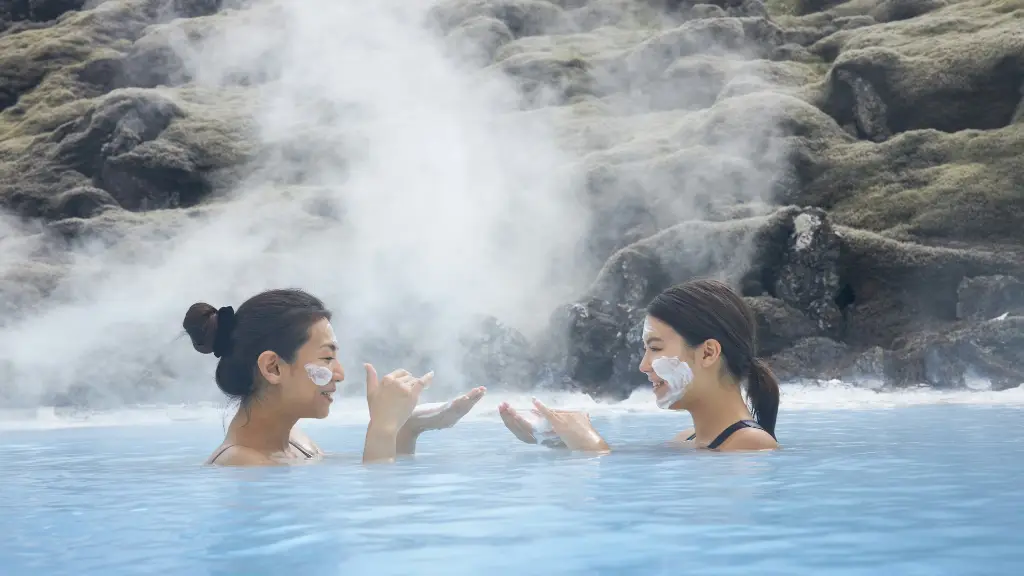
Iceland’s clean environment and geothermal resources have created a thriving natural skincare industry. Many brands use ingredients sourced directly from the island’s landscape.
Common natural ingredients include:
- Mineral-rich geothermal water
- Silica and algae from geothermal lagoons
- Arctic herbs such as thyme and Icelandic moss
- Seaweed and marine botanicals
Popular Icelandic skincare brands:
- BIOEFFECT
- Sóley Organics
- Angan
- Blue Lagoon Skincare
These products make excellent gifts, combining wellness with Iceland’s nature-driven philosophy.
Icelandic Food Souvenirs: A Taste of the Island
Food souvenirs are a wonderful way to bring Iceland home with you. Many products are made from locally sourced ingredients and traditional methods.
Popular choices include:
- Saltverk geothermal sea salt
- Herbal teas and spices from Urta Islandica
- Organic jams and pantry goods from Móðir Jörð
- Skyr (Icelandic yogurt) for an authentic culinary experience
These items are easy to pack and allow travelers to relive Icelandic flavors long after their journey ends.
Tips for Finding Authentic Icelandic Souvenirs
With so many shops available, knowing how to identify genuine local products helps ensure meaningful purchases.
- Look for “Made in Iceland” labels
- Visit cooperative craft stores or artist-run galleries
- Ask about materials and production methods
- Avoid shops filled with identical mass-produced items
- Expect authentic handmade pieces to cost more
Many artisan shops offer international shipping, which is useful for heavy or fragile items.
Bringing Home, a Piece of Iceland
Authentic Icelandic souvenirs are more than decorative objects — they are reflections of the island’s culture, nature, and craftsmanship. Whether it’s a hand-knitted sweater, lava-inspired ceramic bowl, or geothermal skincare product, choosing locally made items supports sustainable traditions and allows you to take home something truly meaningful.
By supporting local artisans, you become part of the story behind each piece — a connection to Iceland that lasts far beyond your trip.

FAQS
What is the most traditional souvenir from Iceland?
The lopapeysa wool sweater is widely considered the most iconic Icelandic souvenir thanks to its handmade craftsmanship and cultural significance.
Are all souvenirs sold in Iceland locally made?
No. Many tourist items are imported. Always check labels or ask shop staff if authenticity matters to you.
Why are Icelandic souvenirs expensive?
Higher prices reflect handmade production, local materials, small-batch manufacturing, and fair wages for artisans.
Can I take Icelandic food souvenirs home?
Yes, many packaged items like sea salt, tea, and jam are easy to transport. Always check airline and customs regulations.
Is it better to buy souvenirs in Reykjavík or rural areas?
Both offer great options. Reykjavík has curated design shops, while rural areas often provide more traditional handmade crafts.