
Iceland is often described as one of the most extraordinary landscapes on Earth — a country shaped by volcanoes, glaciers, geothermal energy, and raw natural beauty. But beyond its dramatic scenery, Iceland is also a global leader in sustainability and eco-friendly living.
From geothermal-powered spas and renewable energy facilities to innovative farms and community-driven eco villages, Iceland offers travelers a rare opportunity: to explore breathtaking destinations while minimizing environmental impact.
If you are interested in sustainable travel and responsible tourism, this guide explores some of Iceland’s most inspiring eco-friendly places — where nature, innovation, and environmental consciousness come together.
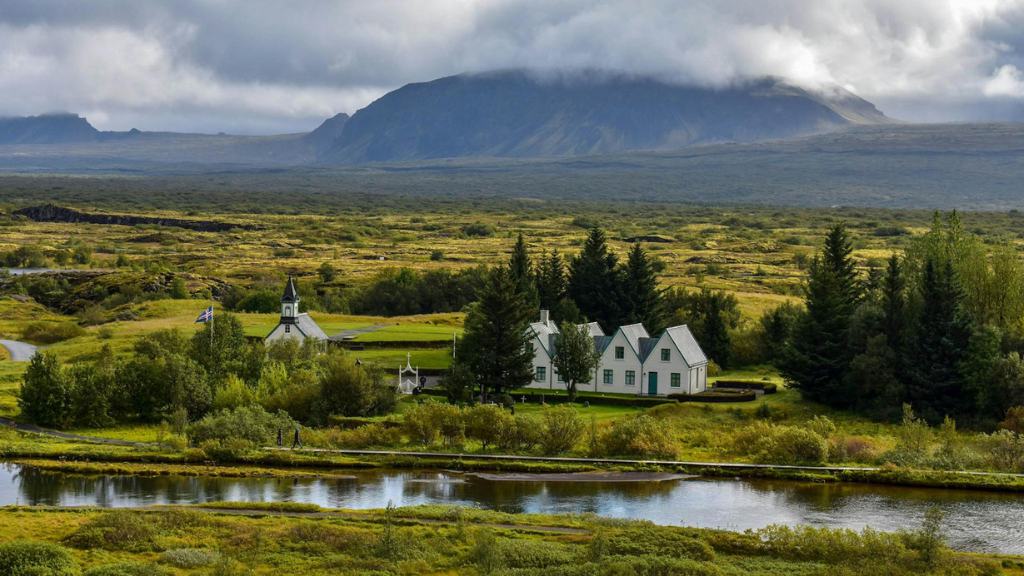
Why Iceland Is One of the World’s Most Sustainable Destinations
Before exploring specific locations, it’s worth understanding why Iceland stands out globally in sustainability.
Nearly all electricity and heating in Iceland come from renewable energy sources — primarily geothermal and hydroelectric power. This means homes, pools, greenhouses, and even entire towns are powered by natural energy from the Earth.
Other sustainability highlights include:
- Low pollution levels, especially in Reykjavík
- Strong environmental protection policies
- Focus on conservation of fragile ecosystems
- Responsible tourism practices promoted nationwide
- Innovative use of geothermal heat in agriculture and wellness
Travelers visiting Iceland can support sustainability simply by choosing destinations that align with these values.
10 Eco-Friendly Places in Iceland You Should Know
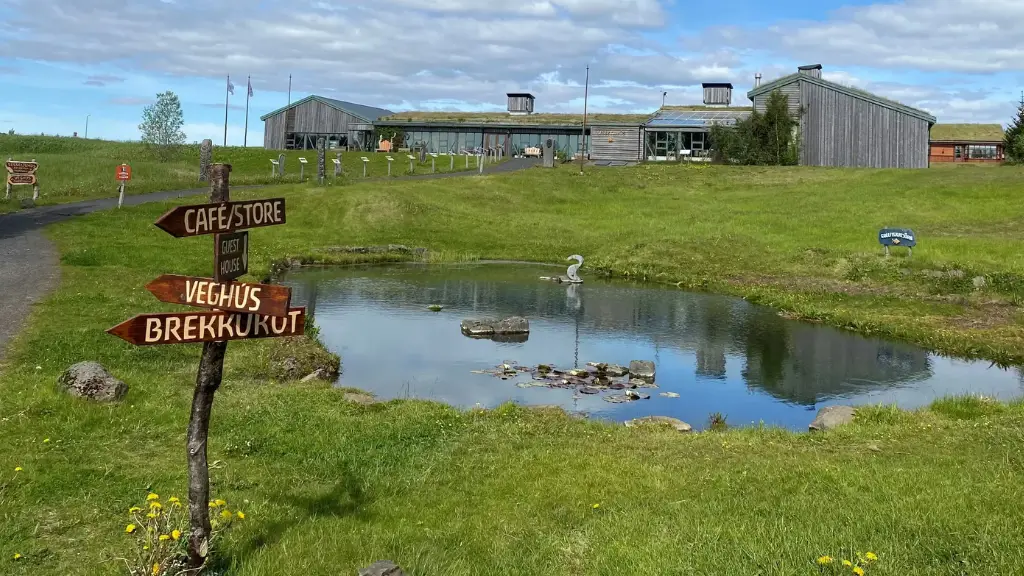
1. Sólheimar Eco-Village — A Living Sustainability Experiment
Located near the famous Golden Circle route, Sólheimar Eco-Village is one of Iceland’s most inspiring examples of sustainable community living.
Founded in 1930, this eco-village combines:
- Organic farming
- Renewable energy
- Environmental education
- Inclusive social living
Residents with diverse abilities work together maintaining greenhouses, craft workshops, and local businesses. Visitors can explore handmade goods, participate in creative workshops, and experience a community designed around sustainability and cooperation.
Unlike typical tourist stops, Sólheimar offers insight into how eco-friendly lifestyles can work in real life.
2. Blue Lagoon — Industrial Innovation Meets Sustainable Wellness
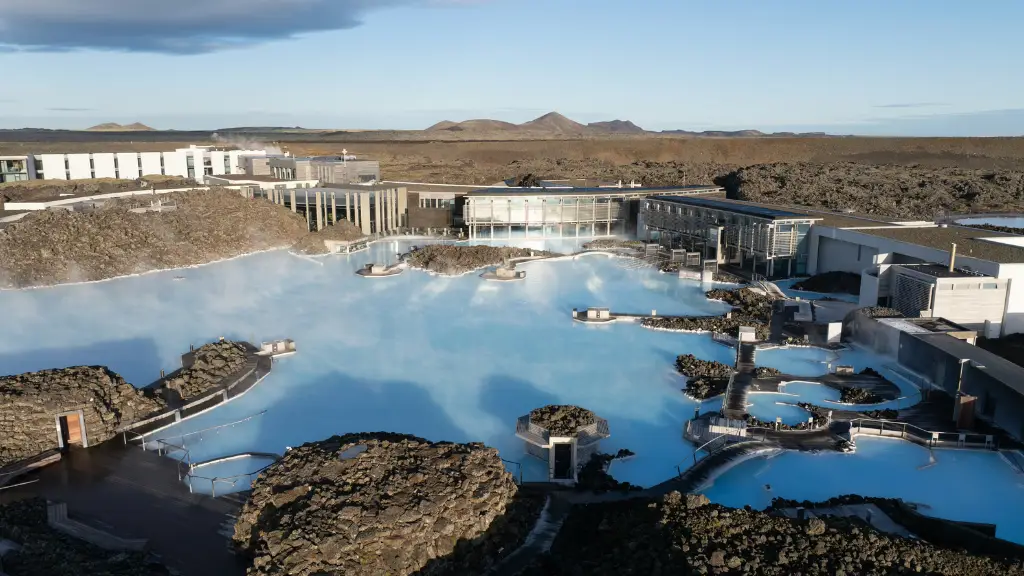
The Blue Lagoon is famous worldwide, but many visitors don’t realize how closely it connects to sustainable energy.
The milky-blue geothermal water comes from the nearby Svartsengi geothermal power plant. Deep underground, water is heated by volcanic activity, generating electricity and district heating. The mineral-rich water released during this process is repurposed into the lagoon.
This circular system demonstrates:
- Efficient resource reuse
- Renewable energy innovation
- Sustainable tourism infrastructure
Rather than waste, geothermal discharge becomes a relaxing wellness experience.
3. Friðheimar Greenhouse Farm — Growing Food with Geothermal Power
Agriculture in Iceland may seem unlikely, yet Friðheimar proves how innovation makes it possible.
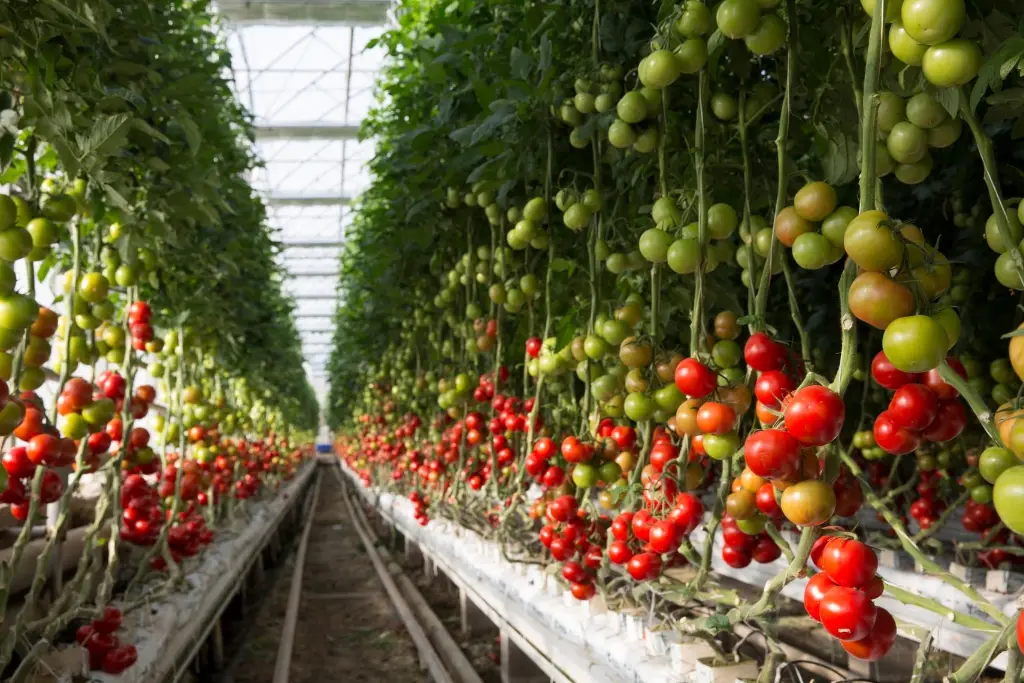
Using geothermal heating and artificial lighting powered by renewable energy, this greenhouse produces a significant portion of Iceland’s tomatoes year-round.
Key sustainability features include:
- Renewable heating systems
- Biological pest control instead of chemicals
- Efficient water usage
Visitors can learn how geothermal energy supports food production in extreme climates — an inspiring example of sustainable innovation.
4. Snæfellsjökull National Park — Nature Conservation in Action
Located on the Snæfellsnes Peninsula, this national park combines glacier-covered volcanoes, lava fields, bird cliffs, and coastal landscapes.
The entire region is recognized for sustainable tourism practices, including:
- Protected ecosystems
- Conservation-focused visitor management
- Encouraging low-impact travel behaviors
Visitors are encouraged to stay on marked paths, respect wildlife, and leave no trace — small actions that help preserve delicate natural environments.

5. Krauma Geothermal Baths — Naturally Heated Without Chemicals
Near Reykholt in West Iceland, Krauma offers a peaceful geothermal bathing experience powered directly by Deildartunguhver, Europe’s most powerful hot spring.
Instead of artificial heating, the spa blends:
- Extremely hot geothermal water
- Cold glacial runoff
This natural temperature regulation eliminates the need for chemical processing or synthetic heating systems.
The result is a relaxing environment deeply connected to Iceland’s natural geothermal resources.
6. Hellisheiði Geothermal Power Plant — The Heart of Iceland’s Renewable Energy
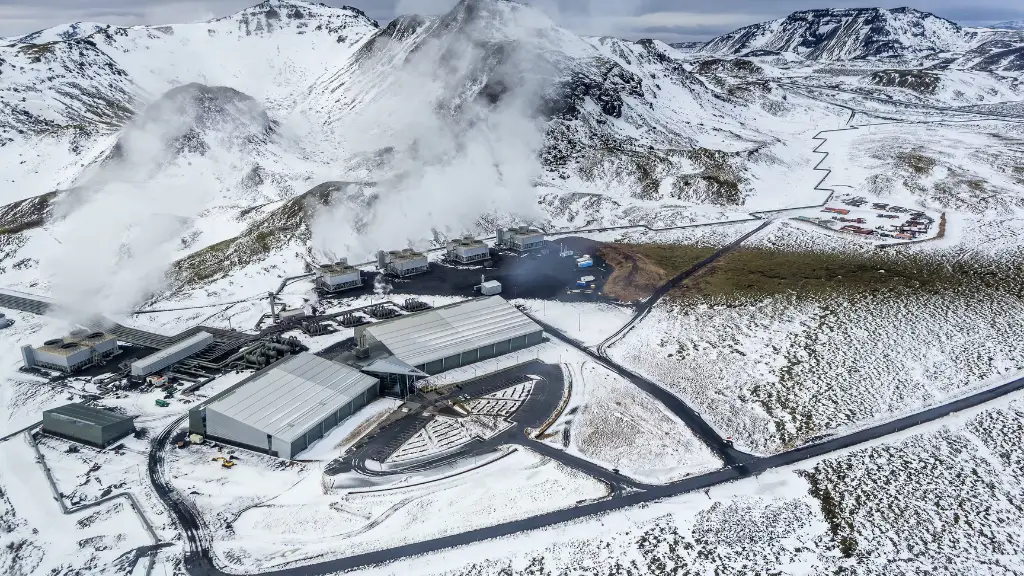
Just outside Reykjavík, Hellisheiði is one of the world’s largest geothermal power stations.
Here, visitors can learn how Iceland transforms volcanic heat into clean energy through interactive exhibitions.
The facility demonstrates:
- Sustainable electricity production
- District heating systems
- Carbon reduction strategies
Visiting offers insight into how Iceland built a low-emission energy system that powers everyday life.
7. Vök Baths — Floating Geothermal Pools on a Lake
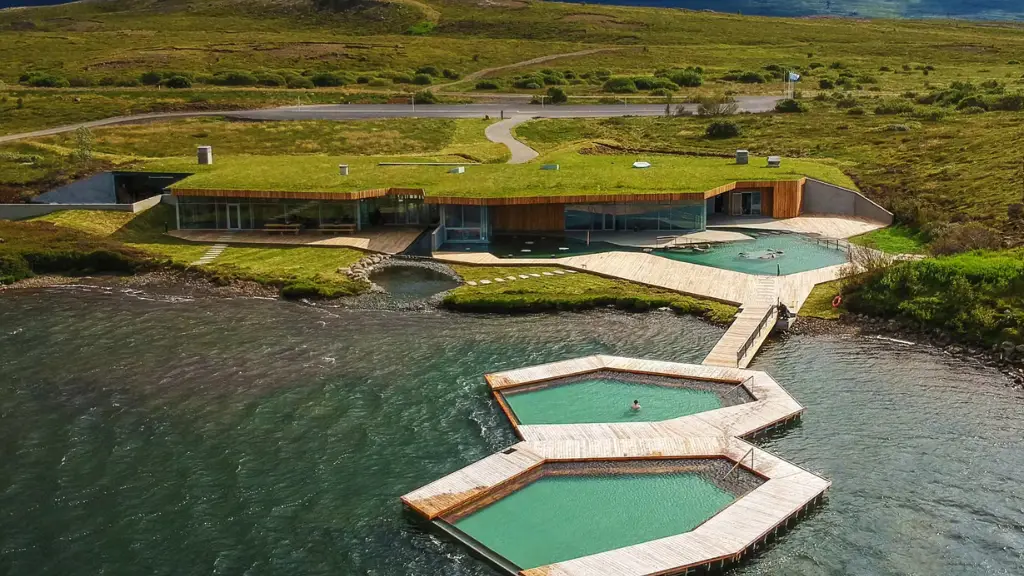
Located in East Iceland, Vök Baths feature unique floating geothermal pools on Lake Urriðavatn.
The design emphasizes sustainability through:
- Natural geothermal heating
- Minimal environmental disruption
- Use of local materials
Interestingly, the hot spring water here is so pure that it’s safe to drink, highlighting Iceland’s exceptionally clean natural resources.
8. GeoSea Sea Baths — Sustainable Seawater Wellness
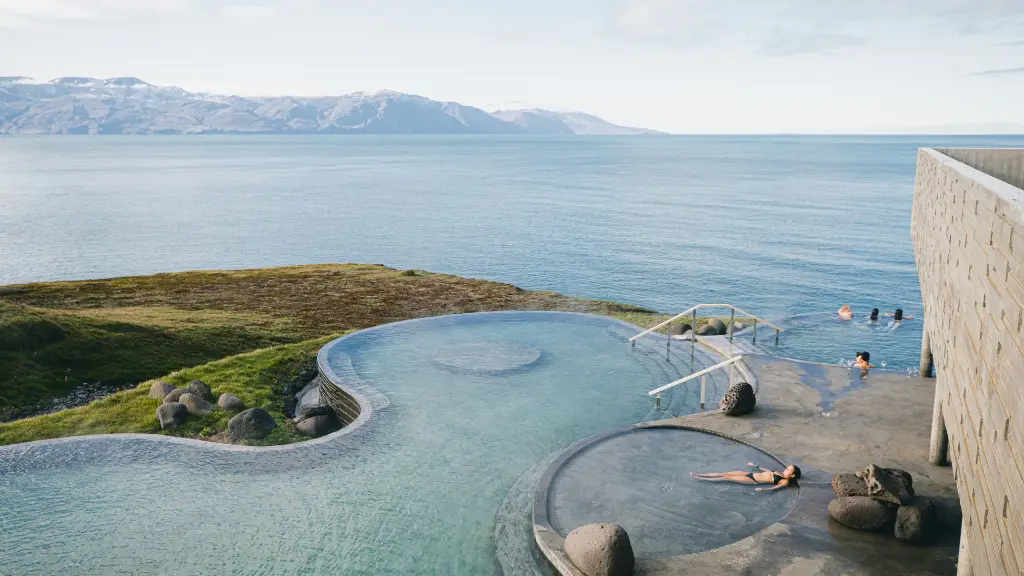
Unlike freshwater geothermal spas, GeoSea uses naturally heated seawater pumped from deep boreholes.
The infinity pools overlook Skjálfandi Bay, creating a blend of:
- Renewable geothermal heating
- Minimal chemical treatment
- Natural water circulation
This innovative approach turns previously unused geothermal seawater into a sustainable bathing experience.
9. Nauthólsvík Geothermal Beach — Sustainable Recreation in Reykjavík
Nauthólsvík Beach demonstrates how geothermal energy improves everyday life for locals.
A man-made golden sand lagoon is heated using surplus geothermal water from Reykjavík’s district heating system, creating a unique environment where visitors can enjoy warm water despite the cold Atlantic climate.
It’s an accessible example of how renewable energy supports public spaces sustainably.
10. Drangsnes Hot Tubs — Simple, Community-Based Sustainability
In the remote Westfjords, three small geothermal hot tubs sit directly along the coastline.
Unlike large commercial facilities, these tubs offer:
- Free access
- Continuous natural water flow
- Minimal infrastructure
The experience highlights Iceland’s traditional relationship with geothermal resources — practical, simple, and environmentally friendly.
Sustainable Travel Tips for Exploring Iceland
If you want to travel responsibly in Iceland, consider these guidelines:
- Stay on marked trails to protect fragile moss and ecosystems
- Support local businesses and community projects
- Avoid leaving waste or disturbing wildlife
- Choose geothermal pools and eco-conscious attractions
- Respect temporary closures designed for environmental protection
Small choices make a big difference in preserving Iceland’s landscapes.
A Sustainable Journey Through Iceland
Iceland proves that tourism and sustainability can coexist. By harnessing geothermal power, protecting natural ecosystems, and encouraging responsible travel practices, the country has become a model for eco-friendly exploration.
From floating hot pools and geothermal beaches to eco villages and renewable energy facilities, sustainable experiences are deeply woven into Icelandic culture.
Exploring these destinations offers more than beautiful scenery — it provides insight into how humans and nature can exist in balance.
FAQS
Is Iceland really an eco-friendly destination?
Yes, Iceland is widely considered one of the most sustainable travel destinations in the world. Nearly 100% of its electricity and heating come from renewable energy sources such as geothermal and hydropower. The country also promotes responsible tourism, environmental protection, and low-impact travel practices.
What makes geothermal energy important in Iceland?
Geothermal energy is at the heart of Iceland’s sustainability. Heat from underground volcanic activity is used to generate electricity, heat homes, grow food in greenhouses, and supply geothermal pools and spas. This reduces reliance on fossil fuels and significantly lowers carbon emissions.
Are Iceland’s hot springs and geothermal pools environmentally friendly?
Many geothermal baths in Iceland operate using natural heating systems powered by geothermal water. Some facilities reuse water from geothermal power plants or use natural mixing systems instead of chemical heating, making them more environmentally friendly than traditional pools.
Is it safe to visit natural hot springs in Iceland?
Yes, but caution is important. Some natural hot springs can be extremely hot or located in remote areas. Always check local conditions, follow safety guidelines, and respect posted warnings before entering any geothermal water.
What are some lesser-known eco-friendly places in Iceland?
Beyond popular attractions, eco-conscious travelers may enjoy destinations like Sólheimar Eco-Village, Drangsnes hot tubs, East Iceland’s Vök Baths, or geothermal-powered farms like Friðheimar, which showcase sustainability in unique ways.
Why is Iceland considered a leader in sustainable living?
Iceland combines renewable energy innovation, environmental awareness, and strong conservation policies. The country has successfully integrated sustainability into daily life — from heating homes with geothermal energy to developing low-impact tourism experiences.
A really good blog and me back again.