
Few places on Earth offer a bathing experience quite like Iceland.
Here, steaming geothermal water rises naturally from the ground, creating hot springs that range from wild rivers hidden in remote valleys to world-famous luxury spas carved into lava landscapes.
Hot springs are not just an attraction in Iceland — they are part of daily life, culture, and the country’s identity. Whether you want an adventurous soak surrounded by mountains or a high-end spa ritual overlooking the Atlantic Ocean, Iceland has something unforgettable waiting.
In this complete guide, we’ll explore:
- Why Iceland has so many hot springs
- The difference between natural pools and luxury lagoons
- The best hot springs by region
- Essential etiquette and safety tips
- What to pack and when to go
Let’s dive into Iceland’s geothermal paradise.
Why Iceland Has So Many Hot Springs
Iceland is one of the most geothermal-active countries in the world.
The reason is simple: Iceland sits directly on the Mid-Atlantic Ridge, where two tectonic plates meet:
- The North American Plate
- The Eurasian Plate
This creates intense underground volcanic heat. Rain and glacier meltwater seep into the earth, warm up naturally, and return to the surface as geothermal springs.
That’s why Iceland has:
- Hot springs
- Geysers
- Steam vents
- Natural warm rivers
- Heated sidewalks in Reykjavik
Hot water is everywhere — and Icelanders have embraced it for centuries.
Hot Springs in Iceland: Natural Pools vs Luxe Spas
One of the best things about Iceland is the variety of geothermal bathing experiences.
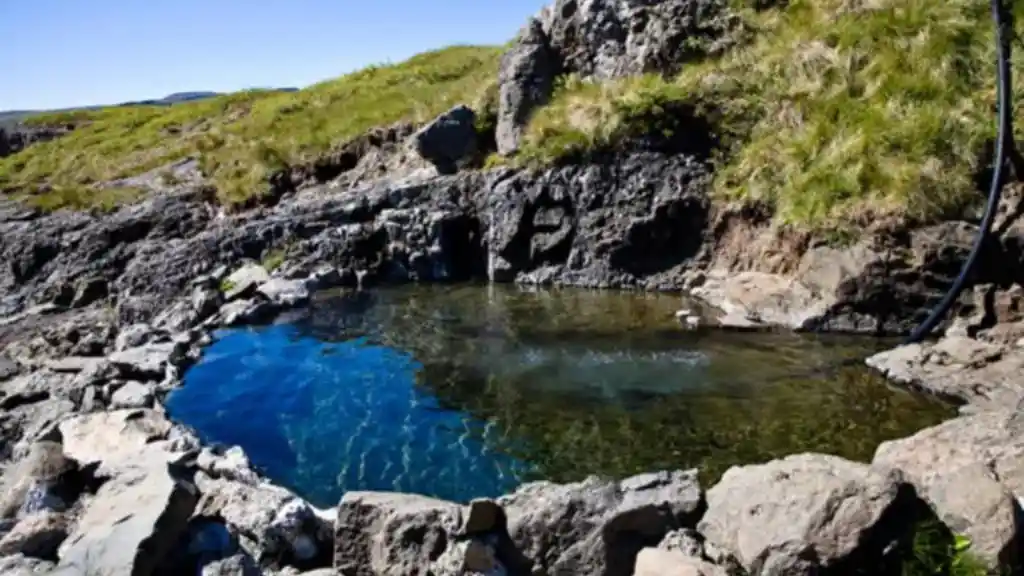
Natural Hot Springs (Wild & Rustic)
- Natural hot springs are usually:
- Found in remote landscapes
- Less developed or completely untouched
- Free or donation-based
- Accessible by hiking or rough roads
They offer a raw, authentic connection to Icelandic nature.
However, they often have:
- No changing rooms
- No showers
- Unpredictable temperatures
- Seasonal accessibility
Developed Hot Springs & Geothermal Baths
These are more organized pools with basic facilities:
Changing rooms
- Toilets
- Showers
- Safe water monitoring
They balance comfort with nature.
Luxury Geothermal Spas (Premium Wellness)
Luxury spas are designed experiences featuring:
- Multiple pools
- Steam rooms and saunas
- Cold plunges
- Swim-up bars or cafés
- Spa rituals
- Scenic architecture
These are ideal for travelers who want relaxation with comfort and style.
The Best Natural Hot Springs in Iceland (Wild & Unforgettable)
If you want the true “hidden Iceland” experience, natural hot springs are magical.
Here are some of the most loved options:
1. Reykjadalur Hot Spring River (Near Reykjavik)
Reykjadalur means “Steam Valley,” and it’s one of the most accessible natural bathing spots in Iceland.
Instead of a single pool, you bathe in a warm river flowing through a mountain valley.
Why it’s special:
- Beautiful hike through geothermal terrain
- Water temperature varies along the river
- Perfect half-day trip from Reykjavik
Good to know:
- Requires a 45–60 minute hike
- No full facilities, only basic changing shelters
- Best in summer and early autumn
2. Landmannalaugar Hot Spring (Iceland Highlands)
Landmannalaugar is legendary for its colorful rhyolite mountains and hiking trails.
After trekking through lava fields, you can soak in a natural geothermal pool surrounded by Iceland’s most surreal landscapes.
Highlights:
- Highlands wilderness experience
- Popular for multi-day hikes
- Best combination of adventure + relaxation
Important:
- Accessible only in summer
- Requires 4×4 vehicle or bus access
3. Hrunalaug Hot Spring (Golden Circle Area)
Hrunalaug is a small, peaceful hot spring near Flúðir.
It feels like a local secret — a tiny hot pot surrounded by grass and countryside.
Why travelers love it:
- Quiet and intimate
- Donation-based
- Great alternative to crowded lagoons
Respect is key:
- Keep noise low
- Leave no trace
- Limited space
4. Seljavallalaug Pool (South Coast)
Built in 1923, Seljavallalaug is one of Iceland’s oldest swimming pools, tucked between steep mountains.
While not very hot compared to others, the setting is unforgettable.
Best for:
- Photographers
- Travelers exploring the South Coast
- History lovers
Note:
- Short hike required
- Water temperature depends on season
5. Hellulaug (Westfjords Coastal Pool)
Hellulaug is a small geothermal pool right beside the ocean — one of Iceland’s most peaceful experiences.
Why it’s unique:
- Soaking with sea views
- Remote Westfjords atmosphere
- Often nearly empty
Perfect for travelers wanting solitude.
The Best Geothermal Spas & Luxe Lagoons in Iceland
If comfort, design, and wellness matter most, Iceland’s geothermal spas are world-class.
1. Blue Lagoon (Most Famous Spa)
The Blue Lagoon is Iceland’s iconic geothermal destination.
Its milky-blue water is rich in silica and minerals, creating a surreal bathing environment surrounded by lava rock.
Experience highlights:
- Warm water year-round
- Silica mud masks
- Steam rising in winter
- Luxury facilities
Tip:
Book well in advance — it’s extremely popular.
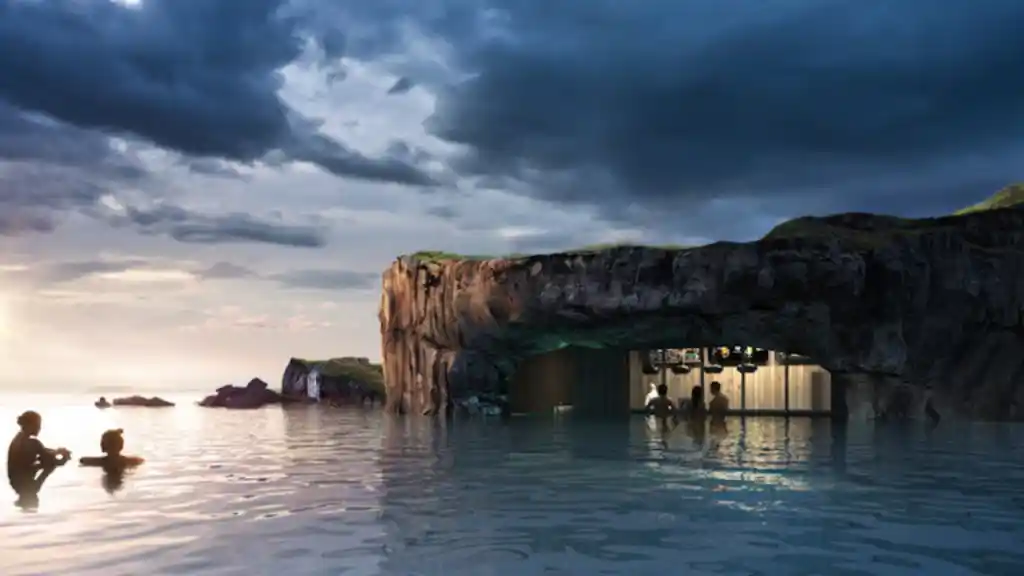
2. Sky Lagoon (Oceanfront Spa Near Reykjavik)
Sky Lagoon is newer, modern, and loved for its dramatic infinity-edge ocean view.
It offers the famous 7-step ritual, combining:
- Warm lagoon soak
- Cold plunge
- Sauna with ocean panorama
- Steam room
- Body scrub
It feels like Icelandic wellness at its finest.
3. Myvatn Nature Baths (The North’s Hidden Gem)
Often called “the Blue Lagoon of the North,” Myvatn Nature Baths are quieter and set in volcanic landscapes.
Best for:
- Travelers exploring North Iceland
- Fewer crowds
- Peaceful atmosphere
Perfect after visiting Lake Myvatn’s geothermal wonders.
4. Fontana Geothermal Baths (Golden Circle)
Located in Laugarvatn, Fontana combines:
- Hot pools
- Natural steam rooms
- Lakeside cold dips
A unique highlight is geothermal bread baking traditions nearby.
5. Krauma Spa (West Iceland)
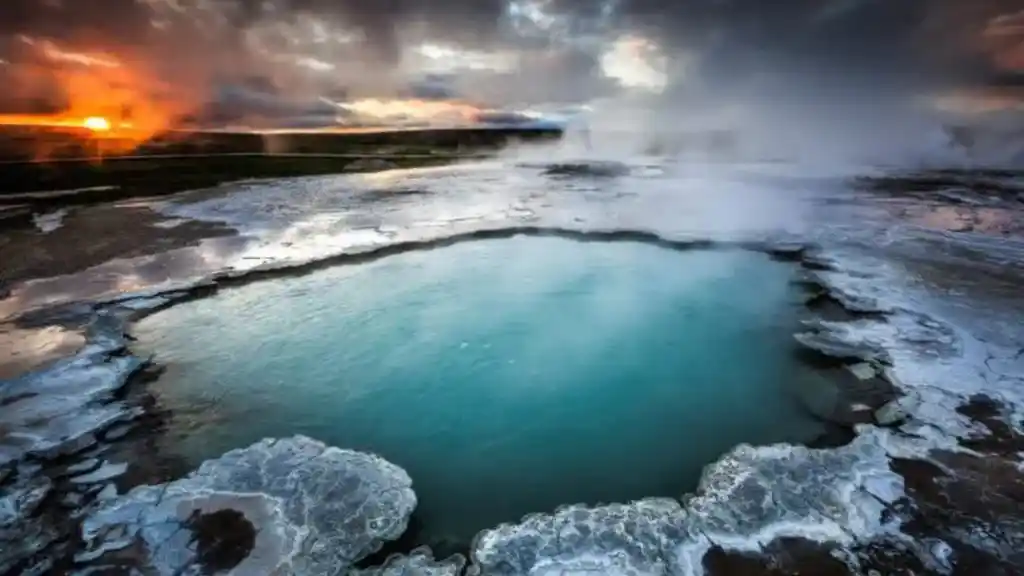
Krauma is powered by Deildartunguhver, Europe’s most powerful hot spring.
It mixes hot geothermal water with cold glacier water for the perfect temperature.
Ideal for:
- Spa lovers
- Travelers visiting West Iceland
- Modern relaxation in nature
6. Vök Baths (East Iceland)
Vök Baths offer floating geothermal pools on a lake — a rare experience in Iceland.
Minimalist, serene, and unique, it’s a must for East Iceland travelers.
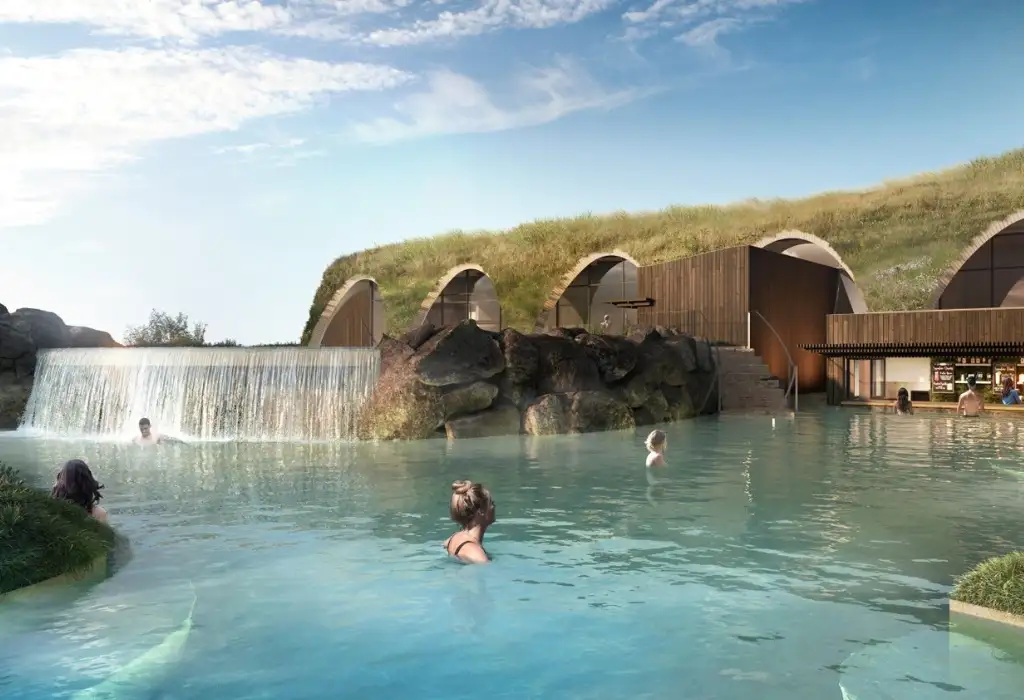
7. Hvammsvík Hot Springs (Fjord Escape)
Hvammsvík is one of Iceland’s most scenic new geothermal destinations.
Multiple pools sit along the edge of a fjord, blending into nature.
A perfect balance of luxury and wild Iceland.
Hot Springs by Region: Where to Go
Near Reykjavik
- Blue Lagoon
- Sky Lagoon
- Reykjadalur River
Golden Circle Area
- Fontana Baths
- Secret Lagoon
- Hrunalaug
South Coast
- Seljavallalaug
- Nearby geothermal spots
North Iceland
- Myvatn Nature Baths
- Forest Lagoon (Akureyri)
East Iceland
- Vök Baths
West Iceland & Westfjords
- Krauma Spa
- Hellulaug
Hot Spring Etiquette in Iceland (Very Important)
Hot springs are part of Icelandic culture, and etiquette matters.
Always shower before entering
This is a strict rule in Icelandic bathing culture.
Never use soap or shampoo in natural pools
It damages the ecosystem.
Respect silence and relaxation
Many Icelanders treat pools as peaceful spaces.
Stay on marked paths
Geothermal ground can be fragile — and dangerous.
Safety Tips for Natural Hot Springs
Natural hot springs are beautiful but require caution:
- Some pools can be boiling hot
- Always test water before entering
- Avoid unstable geothermal mud areas
- Don’t enter during floods or storms
- Check local conditions before hiking
What to Pack for Hot Springs in Iceland
Hot spring trips are much better with the right gear:
- Swimsuit
- Quick-dry towel
- Flip-flops or water shoes
- Waterproof phone pouch
- Warm layers for after soaking
- Dry bag for wet clothes
In winter, bring a hat — walking back in cold air feels freezing!
Best Time of Year to Visit Iceland’s Hot Springs
Hot springs are amazing all year, but each season offers something different.
Winter (Nov–Mar)
- Snow + steaming water contrast
- Northern Lights possible after soaking
Summer (Jun–Aug)
- Midnight sun bathing
- Best access to Highlands springs
Shoulder Seasons (Spring/Autumn)
- Fewer crowds
- Beautiful landscapes
- Comfortable temperatures
Final Thoughts: Hot Springs Are the Heart of Iceland
From remote wilderness pools to luxury lagoons overlooking the sea, hot springs are one of Iceland’s greatest treasures.
They are more than warm water — they are:
- Icelandic tradition
- Geothermal wonder
- Relaxation after adventure
- A connection to nature
Whether you want to hike into a hidden valley or unwind in a world-class spa, Iceland’s geothermal pools promise an experience you will never forget.
Are hot springs in Iceland free?
Some natural hot springs are free or donation-based, while luxury spas require entrance fees.
Can you visit hot springs in winter?
Yes — winter is one of the best times because of snowy scenery and fewer crowds.
Do you need to shower before hot springs?
Yes, showering is part of Icelandic bathing culture and required in most places.
What is the best hot spring near Reykjavik?
Sky Lagoon, Blue Lagoon, and Reykjadalur hot river are the most popular nearby.