
One of the most common questions travelers ask when planning a trip is:
“When is the best time to visit Iceland?”
The truth is—there’s no single best time. Iceland is a year-round destination, and the ideal time to visit depends on what you want to see and experience: Northern Lights, summer road trips, snowy landscapes, or fewer crowds.
This month-by-month guide will help you choose the perfect time to visit Iceland based on weather, activities, and travel style.
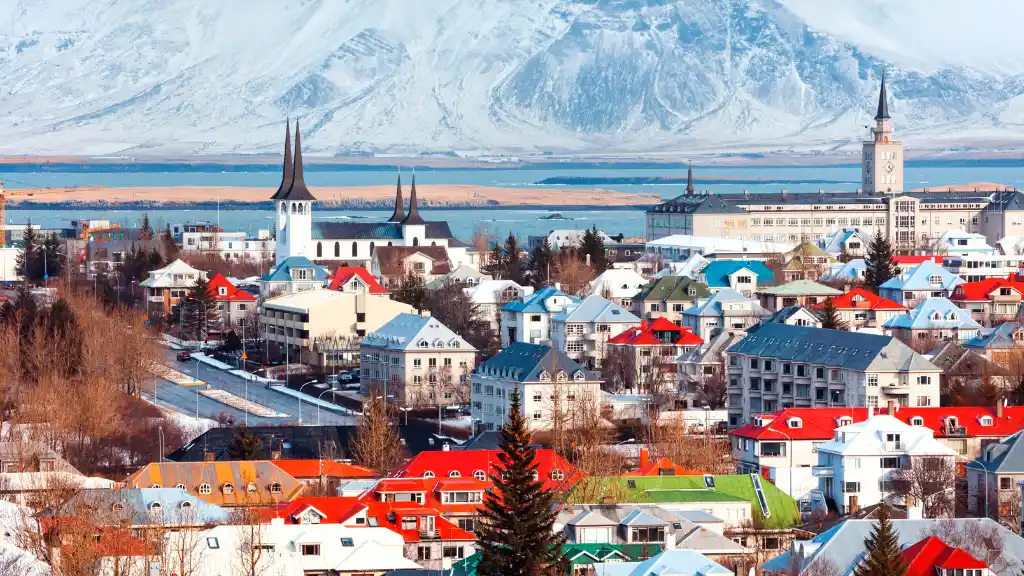
Iceland by Season: A Quick Overview
- Winter (November–March): Northern Lights, ice caves, snowy landscapes
- Spring (April–May): Fewer crowds, changing scenery, mild weather
- Summer (June–August): Midnight sun, hiking, road trips
- Autumn (September–October): Fall colors and Northern Lights return
Iceland Month-by-Month Guide
January
- Coldest month with dramatic winter scenery
- Excellent for Northern Lights and ice cave tours
- Short daylight hours, but fewer crowds
Best for: Aurora hunters, winter photography
Not ideal for: Self-driving beginners
February
- Slightly longer daylight than January
- Great balance of winter landscapes and aurora viewing
- Popular for winter tours and glacier experiences
Best for: Northern Lights + sightseeing
Guided tours recommended
March
- Noticeably longer days
- Winter conditions remain, but roads improve
- Ideal for combining Golden Circle tours with Northern Lights
Best for: First-time winter visitors
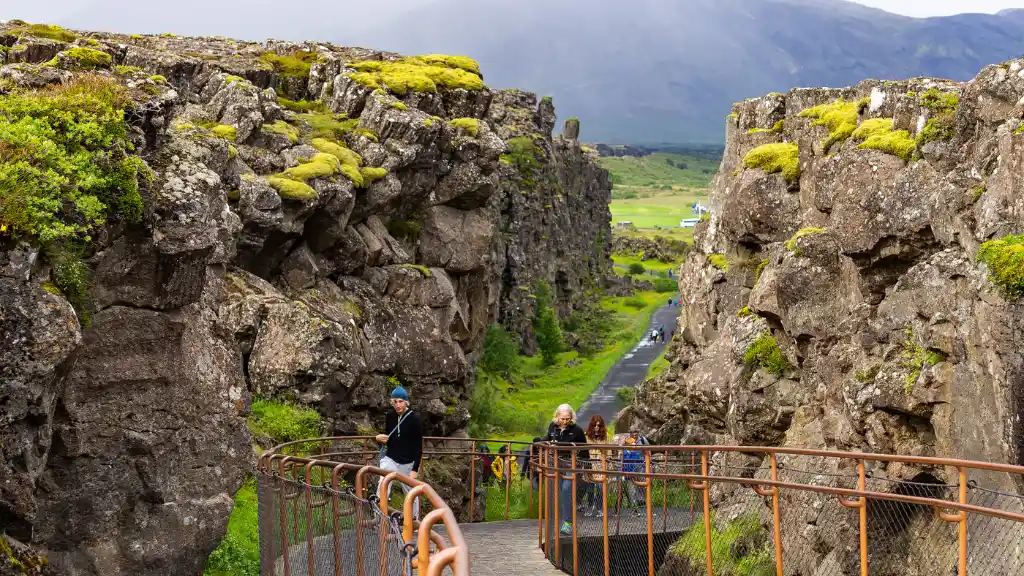
April
- Transition month from winter to spring
- Fewer tourists and improving weather
- Northern Lights still possible early in the month
Best for: Budget travelers, flexible itineraries
Weather can be unpredictable
May
- Spring fully arrives
- Landscapes turn green, waterfalls are powerful
- Puffins begin nesting
Best for: Sightseeing, photography, relaxed tours
Fewer crowds than summer
June
- Start of the Midnight Sun
- Nearly 24 hours of daylight
- Excellent for long day tours and hiking
Best for: Nature lovers, photographers
No Northern Lights
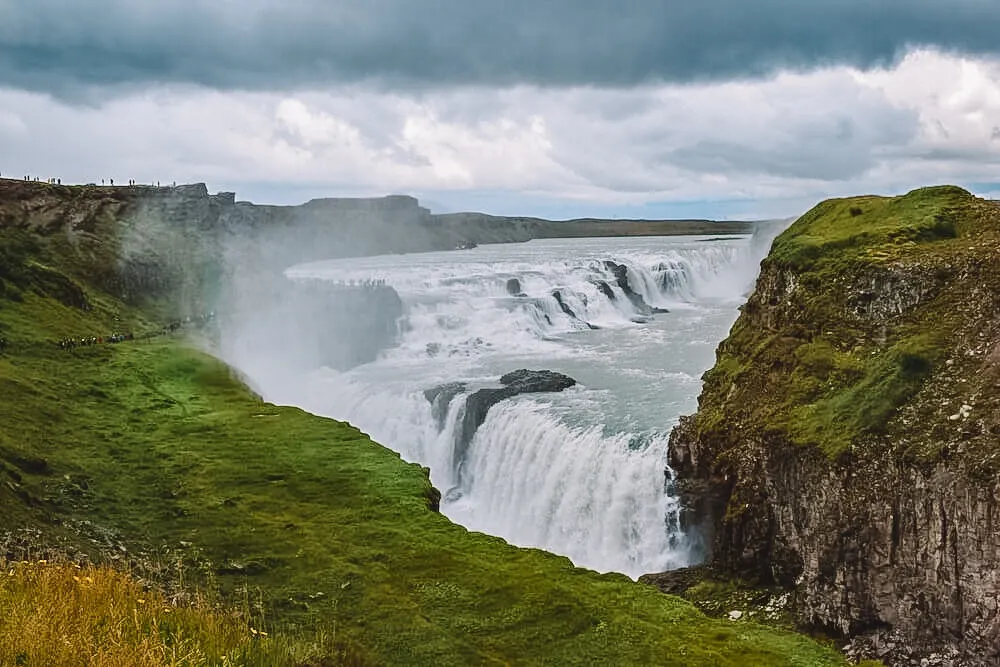
July
- Warmest and driest month
- Peak tourist season
- Highlands and remote areas fully accessible
Best for: Road trips and adventure travelers
Expect higher prices and crowds
August
- Summer activities continue
- Puffins visible early in the month
- Northern Lights may appear late August
Best for: Summer travel with aurora possibility
September
- Autumn colors across Iceland
- Northern Lights season returns
- Fewer crowds compared to summer
Best for: Balanced weather + aurora viewing
Great for photographers
October
- Moody landscapes and early snowfall
- Excellent Northern Lights conditions
- Shorter days and quieter roads
Best for: Aurora hunters and scenic tours
Weather changes quickly
November
- Winter conditions return
- Ice cave season begins
- Great value for guided tours
Best for: Winter experiences and fewer crowds
Guided tours strongly recommended
December
- Festive atmosphere with Christmas and New Year celebrations
- Snow-covered landscapes and Northern Lights
- Very short daylight hours
Best for: Holiday travel and winter magic
Private tours offer flexibility
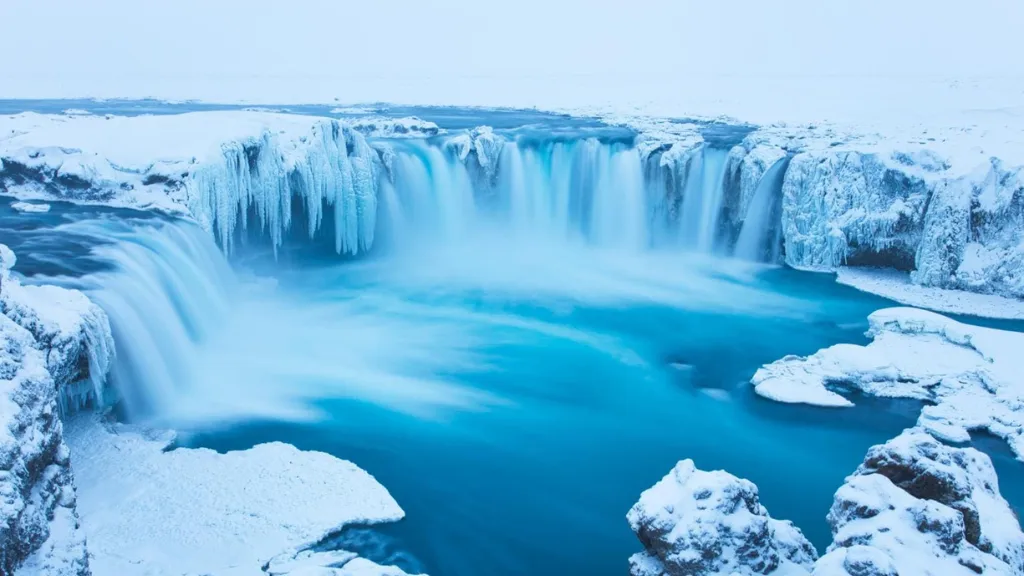
Best Time to Visit Iceland for Northern Lights
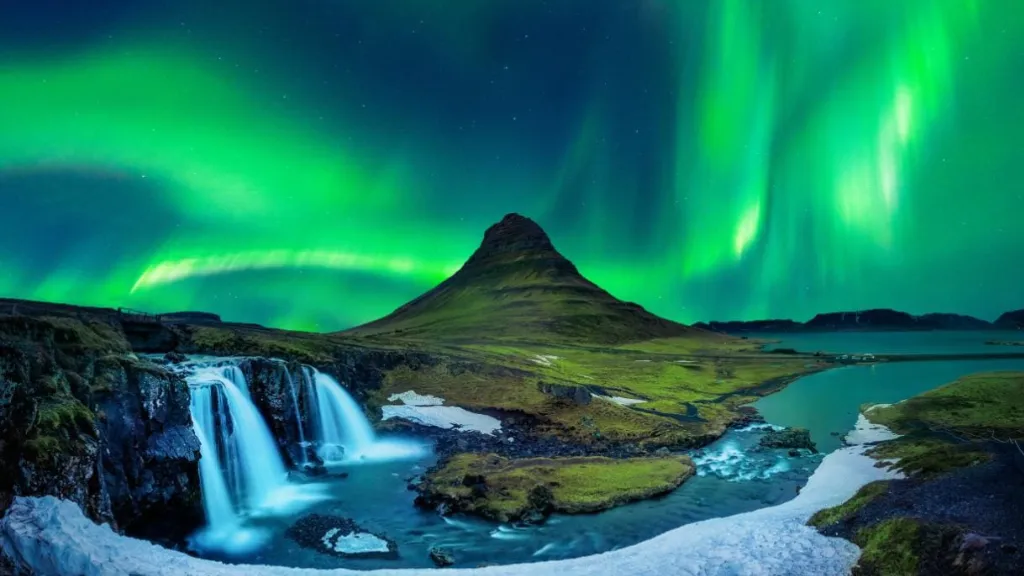
The Northern Lights are visible from mid-August to mid-April, when nights are dark enough.
Peak viewing months include September, October, February, and March.
Guided Northern Lights tours increase your chances by:
- Monitoring cloud cover and solar activity
- Adjusting routes based on real-time conditions
Best Time to Visit Iceland for Sightseeing & Tours
- Golden Circle: Open year-round
- South Coast: Best year-round with guided support in winter
- Highlands: Only accessible in summer (June–August)
Private tours offer flexibility to adapt plans based on weather and road conditions.
Best Time to Visit Iceland Based on Your Travel Style
- First-Time Visitors: May, June, or September
- Photographers: February–March or September–October
- Families: June–August
- Luxury Travelers: Year-round private tours
- Adventure Seekers: July and August
When to Avoid Visiting Iceland
There’s no bad time to visit Iceland, but keep in mind:
- July can be crowded and expensive
- Deep winter self-driving can be challenging
- Shoulder seasons require flexibility
Why Guided Tours Make Iceland a Year-Round Destination
Iceland’s weather can change quickly. Guided tours provide:
- Local expertise
- Weather and road monitoring
- Flexible itineraries
- Stress-free travel in all seasons
This is especially valuable during winter months and shoulder seasons.
Conclusion: When Should You Visit Iceland?
The best time to visit Iceland depends on your goals:
- For Northern Lights → Winter and early autumn
- For sightseeing and road trips → Late spring to summer
- For fewer crowds → Shoulder season
No matter when you visit, Iceland offers unforgettable experiences year-round. Choosing the right season—and the right tour—can make all the difference.
Explore Iceland with experienced local guides and discover the best of every season with Iceland Paradise Tours.
Alright fam, g777login is where its at for logging in quick! No hassle, straight to the action. Makes life easy, ya know? Hit it up here: g777login
Boss777game, eh? Gotta love a site with confidence. Layout looks good, and they seem to have some cool promos. Let’s see if they live up to the name. You can find it here boss777game