
Why Iceland in Winter Is Pure Magic
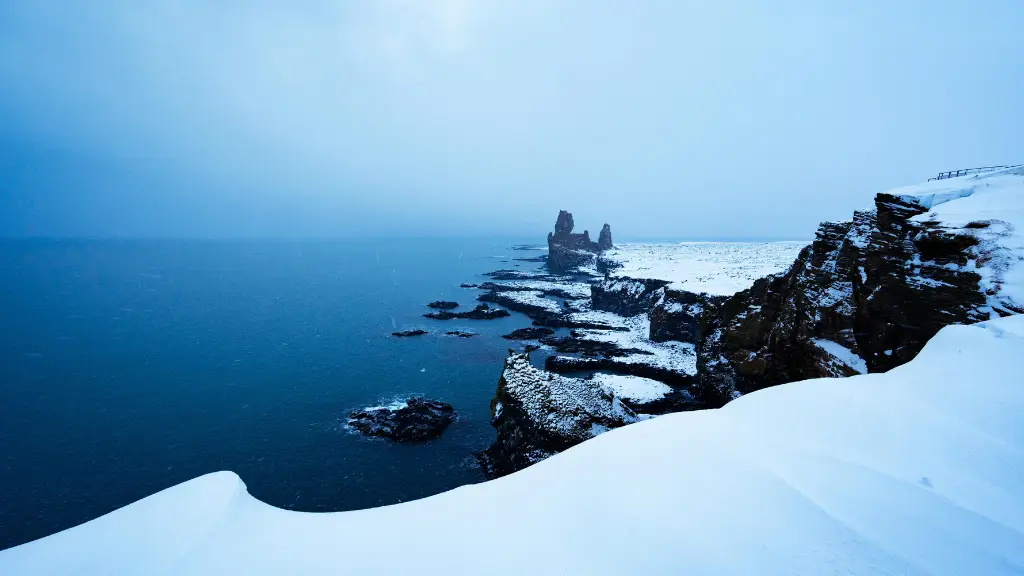
Iceland in winter is a world of shimmering snow, dancing northern lights, and untouched natural beauty. The landscapes transform dramatically — waterfalls freeze into crystal curtains, black-sand beaches contrast against snowy mountains, and geothermal steam rises from icy ground like something out of a fantasy movie. Winter adds a layer of mystery and luxury to travel, making every experience feel exclusive and cinematic. Despite the cold, winter is one of the most rewarding times to visit, offering quieter attractions, unique activities, and the chance to witness natural wonders only seen during the colder months.
Book your tour with us: Iceland Paradise Tours
Winter Weather in Iceland
Winter in Iceland typically spans from November to March, with temperatures ranging from -5°C to 5°C, although coastal regions tend to be milder due to the Gulf Stream. Expect short daylight hours in mid-winter — sometimes as little as 4–5 hours — but long periods of twilight create beautiful blue-hour lighting perfect for photographers. Snow, wind, and occasional storms are common, so flexibility is key. Roads may be icy, and conditions can change rapidly. However, Iceland is extremely well-prepared for winter; major roads are maintained frequently, and most tours run year-round with safety in mind.
Best Time to Visit Iceland in Winter
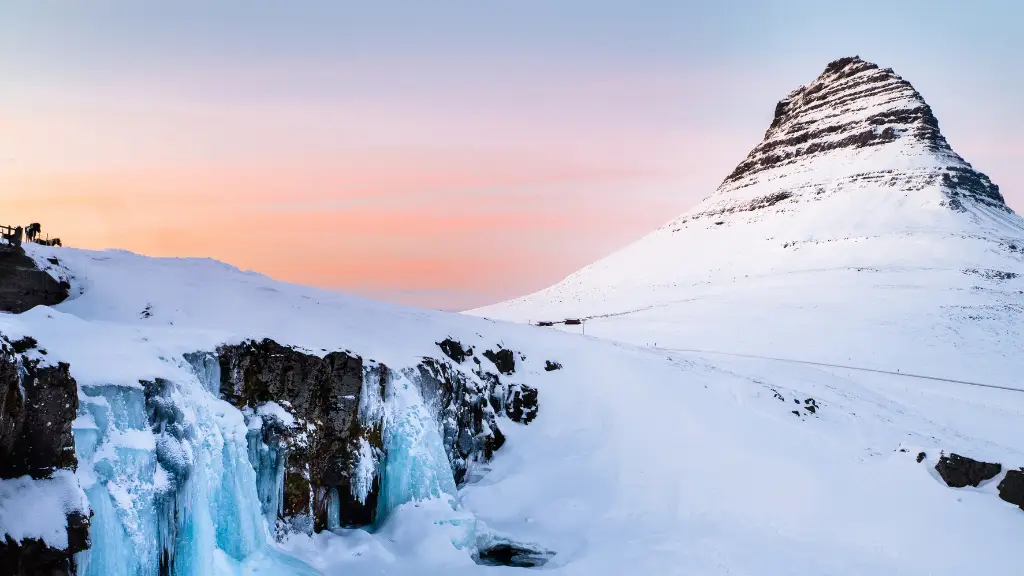
Every month brings a different winter experience. November kicks off the aurora season with mild snow. December offers festive vibes, Christmas markets, and long nights perfect for northern lights. January and February are the coldest months, ideal for ice caves and snow-covered landscapes. March brings more daylight but still cold enough for winter adventures. Choosing the best time depends on your priority: northern lights, snow activities, or quieter travel days.
What to Pack for Winter in Iceland
Packing smart is essential. Winters are cold, but the wind is what demands proper gear. Travelers should bring thermal layers, warm socks, a waterproof jacket, gloves, beanies, scarves, and insulated boots with good grip. Waterproof pants are extremely useful for visiting waterfalls, beaches, and snowy terrains. Don’t forget power banks, moisturizers (the cold is dry), and a swimsuit for the Blue Lagoon or geothermal pools. Iceland is all about layering — dress like an onion, take off layers if needed, and you’ll be comfortable everywhere.
How to Get Around Iceland in Winter
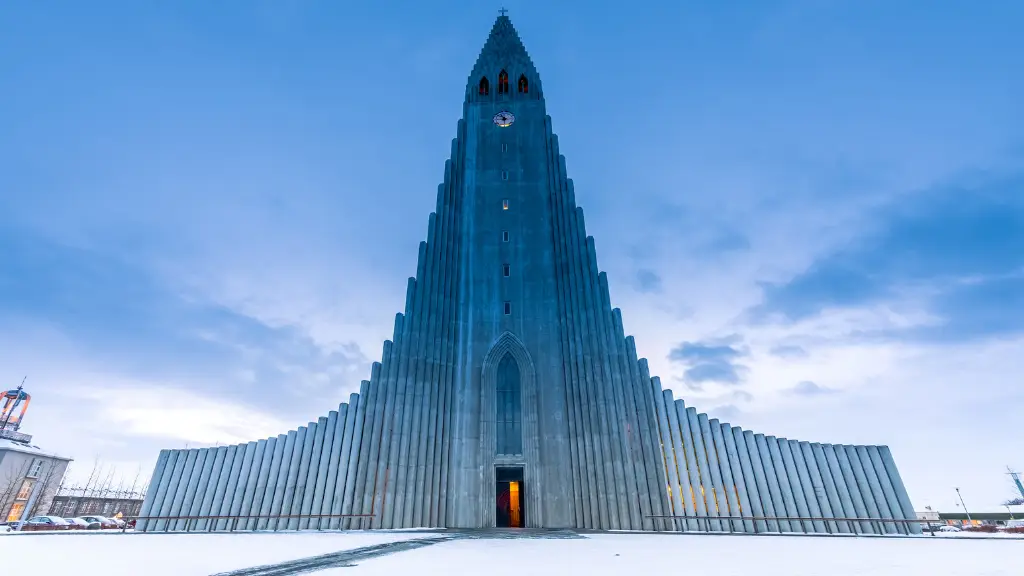
Getting around Iceland in winter requires planning. Roads can be slippery with limited visibility. For most visitors, guided tours are the safest and easiest option — especially for the South Coast, Golden Circle, Snæfellsnes, and ice cave tours. Public transport is limited outside Reykjavík. Domestic flights run regularly, making the Westfjords, Akureyri, and the North more accessible even in heavy snow. Always check road conditions and weather apps before traveling.
Northern Lights in Iceland
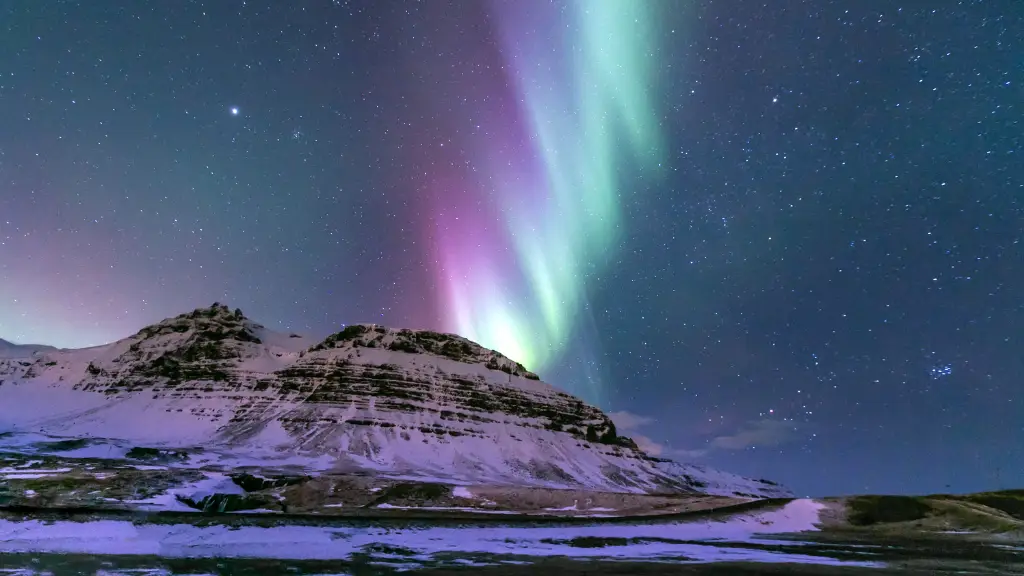
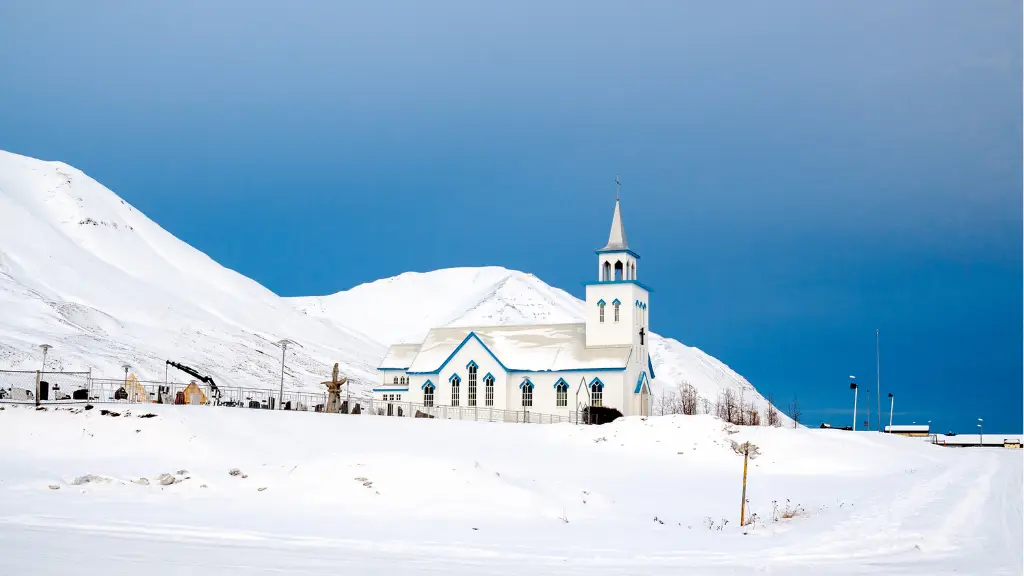
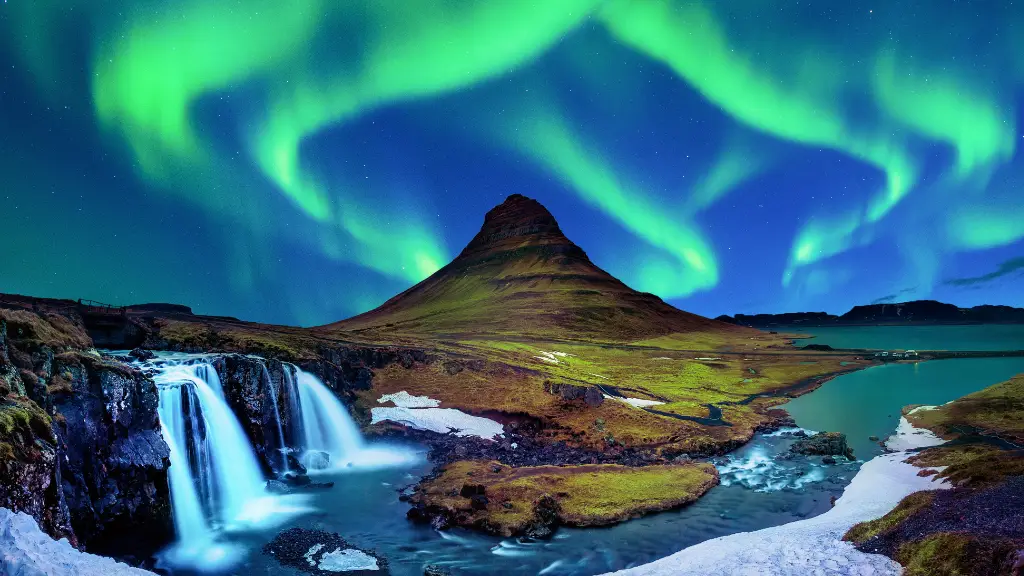
Winter is prime time for northern lights. From September to April, the long nights and clear skies create ideal viewing conditions. The aurora appears randomly, depending on cloud cover and solar activity, so no one can guarantee them — but winter significantly increases your chances. Rural areas like South Coast, Snæfellsnes Peninsula, and the Westfjords offer the darkest skies. Many tours use aurora trackers, photo guides, and warm shelters for a premium experience. Remember: the northern lights are a natural wonder — patience is part of the adventure.
Top Winter Activities in Iceland
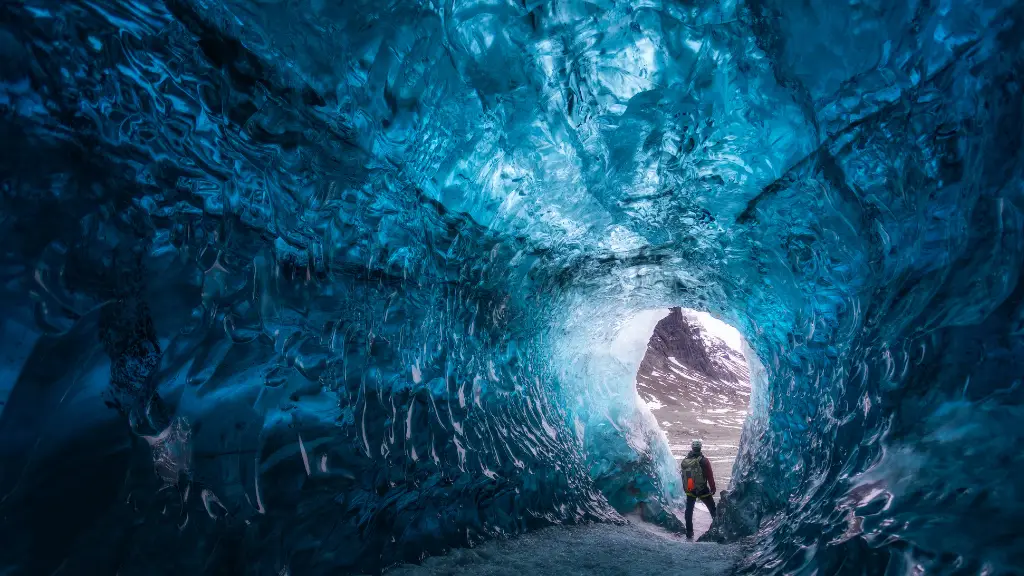
Winter opens up activities that are impossible in summer. You can explore crystal blue ice caves under Vatnajökull Glacier — a bucket-list experience found nowhere else. Snowmobiling on glaciers, dog sledding with huskies, and hiking across frozen landscapes are thrilling winter-only adventures. Relaxing in geothermal spas surrounded by snow adds luxury and comfort to the cold season. Whale watching, horse riding, and reindeer spotting (in East Iceland) make winter uniquely rewarding for nature lovers.
Must-See Places in Iceland During Winter
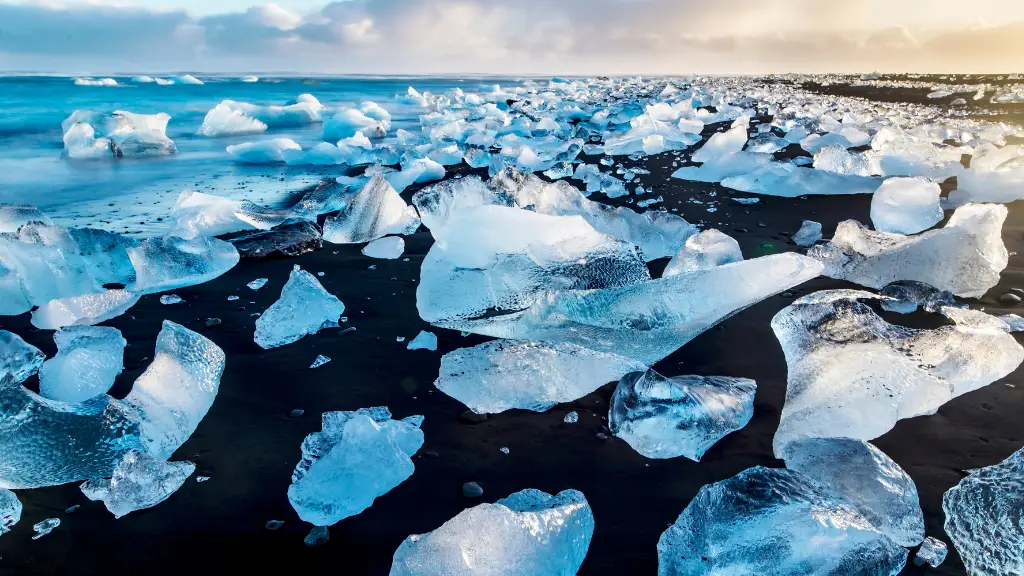
Some destinations become even more magical in winter. The tour showcases the iconic Diamond Beach with glittering ice chunks on black sand. Jökulsárlón Glacier Lagoon looks like a frozen fairytale. The Golden Circle remains accessible year-round, featuring geysers, frozen waterfalls, and Þingvellir’s dramatic winter cliffs. Snæfellsnes Peninsula is a quieter region with mountains, fjords, and charming coastal villages blanketed in snow. Reykjavík becomes warm and cozy with cafes, museums, and holiday decorations.
Driving in Iceland During Winter
Driving in winter requires confidence and awareness. Roads may be icy, especially in early morning and late evening. Snowstorms can reduce visibility to a few meters. Check real-time road updates from Icelandic authorities. Bridges, mountain passes, and rural routes require extra caution. For many travelers, guided tours are safer and stress-free, allowing you to enjoy the scenery without worrying about road hazards.
Hidden Winter Gems in Iceland
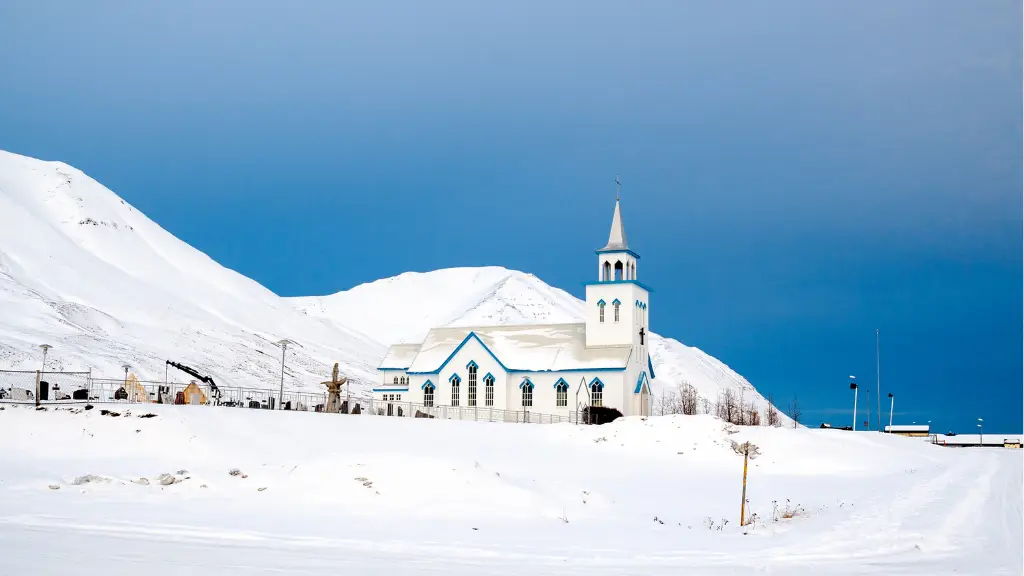
Winter reveals lesser-known treasures. The Eastfjords offer reindeer sightings and quiet fishing towns. Northern Iceland boasts geothermal baths like Myvatn Nature Baths, often with fewer tourists. The Westfjords, while remote, offer dramatic snowy landscapes and magical calmness. Frozen waterfalls like Aldeyjarfoss and Hraunfossar feel like undiscovered secrets. Small villages glow with warm lights in the dark evenings, creating a cozy and authentic Icelandic atmosphere.
Where to Stay in Iceland in Winter
Winter accommodations range from luxury hotels to countryside guesthouses with fireplaces and aurora views. Staying outside Reykjavík increases your chances of seeing the northern lights. In the South Coast, hotels near Vík, Hella, and Höfn offer prime locations for winter attractions. Boutique hotels, cabins with hot tubs, and geothermal-powered lodges provide comfort against the cold. Booking in advance is recommended, especially for December and northern lights season.
Winter Travel Tips for Iceland
Always check weather forecasts — Iceland’s winter storms can affect travel plans. Keep flexible itineraries. Charge your phone fully before long trips. Keep fuel tanks half-full in remote areas. Wear proper footwear to avoid slipping on icy paths. Respect signs and stay away from dangerous areas like unpredictable waves at Reynisfjara Beach. Follow your guide’s instructions during outdoor activities. Bring snacks and water, as some areas have limited services in winter.
Cost of Visiting Iceland in Winter
Winter can be slightly cheaper than summer, but Iceland is generally a premium destination. Hotels often offer winter discounts, except during Christmas and New Year. Rental cars, tours, and food cost roughly the same year-round. Winter tours like ice caves and northern lights are seasonal and highly in demand — book early. Eating at local restaurants and supermarkets can help manage costs without compromising quality.
Is Iceland Safe in Winter?
Iceland is very safe, even in winter. Roads and infrastructure are well-maintained, emergency services are efficient, and tour operators follow strict safety standards. The main risks come from weather conditions and natural elements. Always follow guidelines at beaches, cliffs, and glaciers. Staying informed and prepared is the key to a safe winter trip.
Final Thoughts: Why Winter in Iceland Is Worth It
Winter in Iceland is not just a season — it’s an experience full of raw nature, luxury moments, and unforgettable adventures. From glowing auroras to glittering ice caves, steaming hot springs to silent snowy mountains, every day feels like stepping into another world. It’s colder, darker, and wilder — but that’s exactly what makes winter the perfect time to discover Iceland’s true soul.
Winzo Gold, huh? Is it actually legit gold? Or just a way to describe virtual currency? What’s the deal everyone? winzo gold
Hey, so I tried SinagPH out of curiosity, and it surprised me! The site’s got some interesting features, and I’ve been having some fun exploring it. Definitely worth a peek, and if you want to dive in check out sinagph!